Tel / Whatsapp:+86 18001125785

Email:chengdong@cdph.com.cn

INQUIRY→

Home/

News/

Blog/

Steel Structure Design: The Complete Guide to Modern Modular Steel Buildings/

Steel Structure Design: The Complete Guide to Modern Modular Steel Buildings

Blog

Release date:Mar 16, 2026

Share:

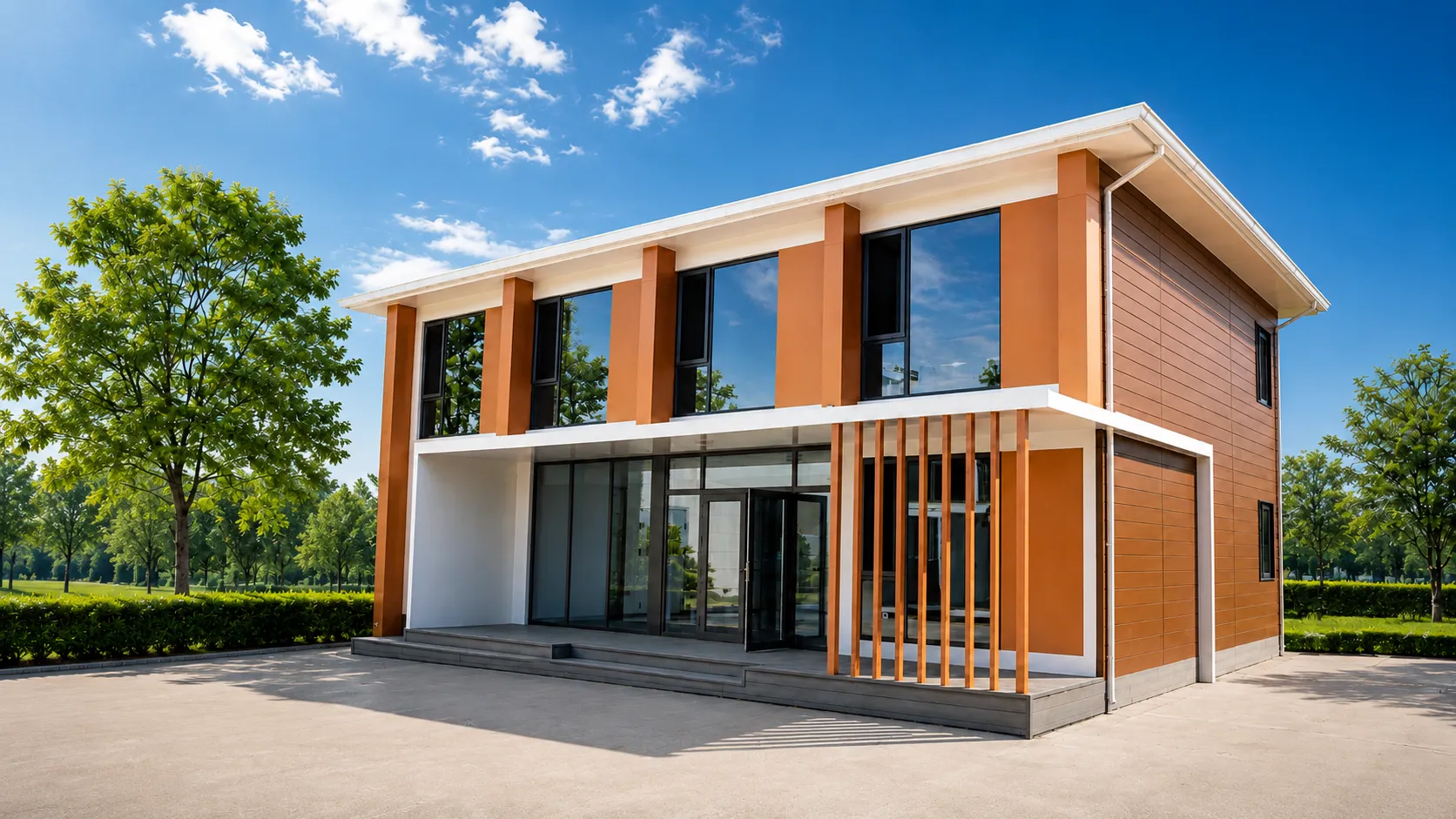
Steel structure design is the engineering discipline of planning, analyzing, and constructing load-bearing frameworks using steel components to create safe, durable, and efficient buildings. From large-span warehouses and industrial workshops to modular engineering camp facilities, steel structure design is at the heart of modern prefabricated construction worldwide.

Why Steel Structure Design Matters

Steel structure buildings have transformed the global construction industry by enabling faster build times, lower comprehensive costs, and superior adaptability in challenging environments. Unlike traditional reinforced concrete construction, a well-designed steel structure can be prefabricated in a factory, transported across oceans, and assembled on-site with minimal heavy equipment.

For industries such as oil and gas, mining, infrastructure, and power generation — where remote or harsh sites are the norm — steel structure design is not just a preference; it is a necessity. Companies like Beijing Chengdong International Modular Housing Corporation (https://www.cdph.net/) have spent decades refining steel structure design specifically for global engineering camp applications, successfully completing thousands of projects in over 100 countries.

Core Types of Steel Structure Systems

Modern steel structure design encompasses several distinct structural systems, each suited to different load, span, and use-case requirements.

H-Type Steel Structure

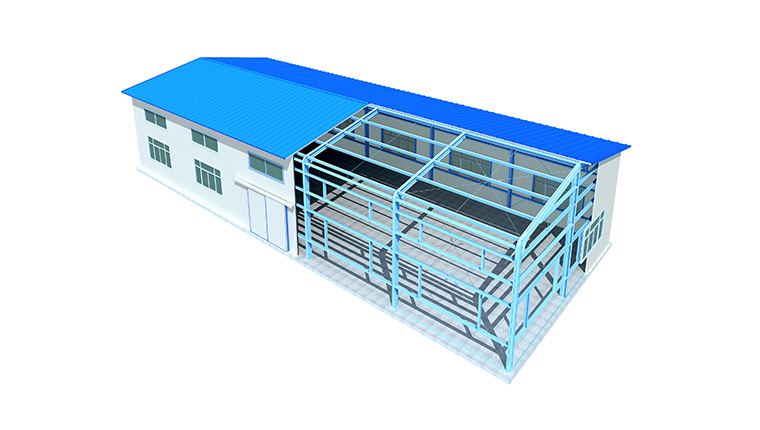
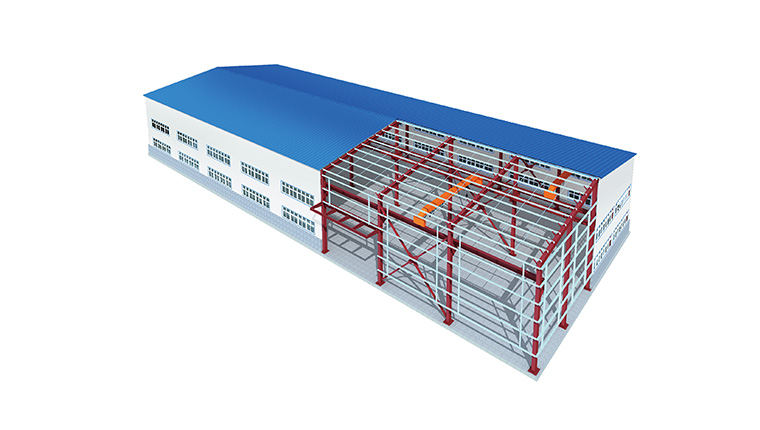
The H-type steel structure uses equal-section or variable-section H-type steel as the primary load-bearing body, with C-type purlins and column supports as auxiliary connectors. Connections are made by bolts or welding, and the roof and walls use color-coated steel plates or sandwich panels. This system excels in applications requiring large spans and the ability to support overhead cranes — such as industrial workshops, large warehouses, and production facilities in engineering camps.

Key design advantages of H-type steel structures:

  • Accommodates large-span designs beyond standard modular limits

  • Supports crane loads and heavy industrial equipment

  • Highly customizable section profiles (constant or tapered)

  • Proven structural reliability in overseas projects including power plants and port facilities

M-Type (ZM) Steel Structure

The M-type steel structure, also called the ZM product, was developed by Chengdong's R&D team as an evolution of the traditional portal steel frame. It uses cold-formed, mechanically mass-produced materials, which dramatically reduces weight and transportation costs compared to conventional H-section steel. The M-type system is widely used for large functional buildings such as camp factories, warehouses, and restaurants in overseas engineering environments.

FeatureH-Type Steel StructureM-Type (ZM) Steel Structure
Primary materialH-section hot-rolled steelCold-formed mechanized profiles
Best useLarge span, crane-supported workshopsFactories, warehouses, camp dining halls
WeightHeavierLighter
Transportation costHigherLower
Production speedStandardMass-producible, faster
CustomizationHigh (variable section)Standardized + customizable
Site connectionBolt or weldPrimarily bolt


Light Steel Structure (Cold-Formed Thin-Wall)

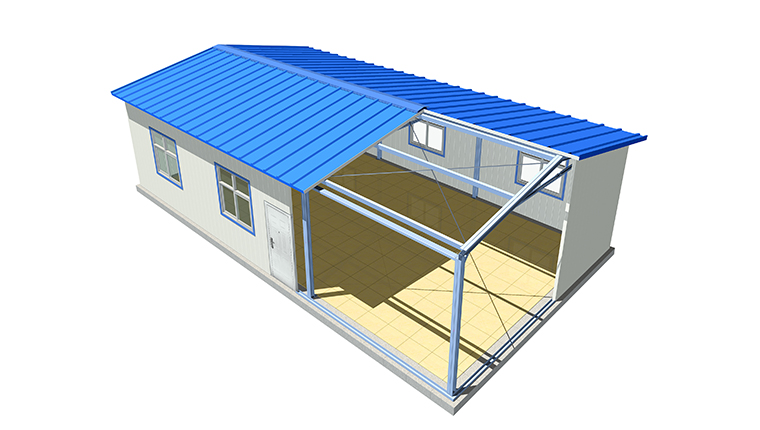
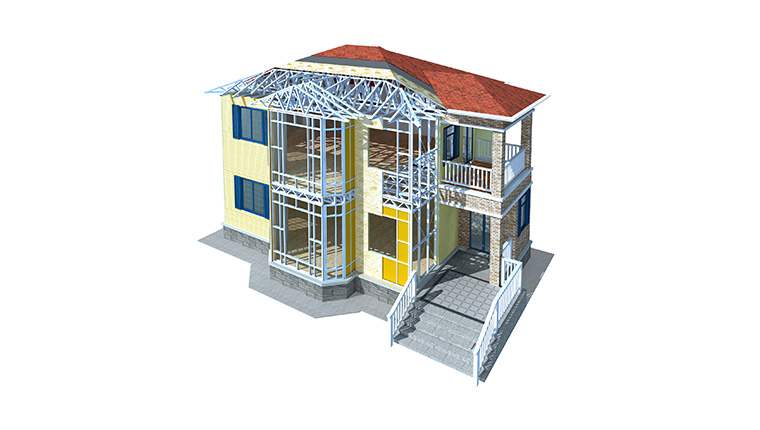
The light steel or thin-wall cold-formed steel structure system is the backbone of semi-permanent modular buildings and light steel villas. The structural frame is fabricated from hot-dip galvanized cold-formed profiles, offering outstanding corrosion resistance without the weight penalty of hot-rolled sections. Chengdong's ZA-type house, for instance, uses this structural system and has undergone five major technological innovations, allowing it to withstand winds up to Category 11 under standard configuration, and Category 17 hurricanes after special treatment.

This structural type is suited for:

  • Long-duration overseas engineering camp accommodation and offices

  • Semi-permanent facilities with design lives exceeding 25 years

  • Environments ranging from arctic cold to tropical rainforests and coastal zones

Key Principles of Steel Structure Design

Effective steel structure design requires balancing structural safety, environmental performance, and lifecycle cost. The following principles guide every competent steel structure engineering project.

Structural Safety and Load Analysis

Every steel structure must be designed to resist all anticipated loads. Standard design parameters in modular steel buildings include roof live loads of 0.5 kN/m², floor live loads of 2.0 kN/m², and wind loads of 0.45–0.5 kN/m². For high-wind or seismic zones, structural members are selected and detailed specifically for those elevated demands. The overall frame rigidity must remain intact even during repeated assembly and disassembly cycles — a critical requirement for relocatable camp structures.

Corrosion Protection

Steel's primary vulnerability is corrosion, especially in coastal, tropical, or high-humidity environments. The industry-standard solution for structural steel components is hot-dip galvanizing, which provides far superior corrosion resistance compared to ordinary spray-paint finishes. In Chengdong's Venezuela Central Power Plant Camp project, for example, all main structural components were hot-dip galvanized to counteract the highly corrosive local environment. Additionally, color-spray coating is applied over galvanized surfaces to combine aesthetics with protection.

Thermal Insulation Integration

A distinguishing feature of modular steel structure design is the integration of insulation directly into the building envelope. Roof and wall panels are typically 75 mm color steel sandwich boards filled with glass fiber wool, rock wool, or polystyrene, achieving heat transfer coefficients as low as 0.46–0.64 W/m²K. For extreme cold environments (such as arctic or plateau deployments), thicker insulation layers and special cold-bridge-breaking details are incorporated at the structural connections.

Modular and Standardized Design

Modular design — using fixed dimensional increments as the basic planning unit — is the cornerstone of efficient, reproducible steel structure buildings. Standardized modules allow mass production in controlled factory conditions, ensure quality consistency, and enable multiple units to be combined horizontally, vertically, or stacked (typically up to three floors) without custom engineering at each site. This principle drastically reduces on-site labor and shortens construction cycles.

Steel Structure Design for Engineering Camps

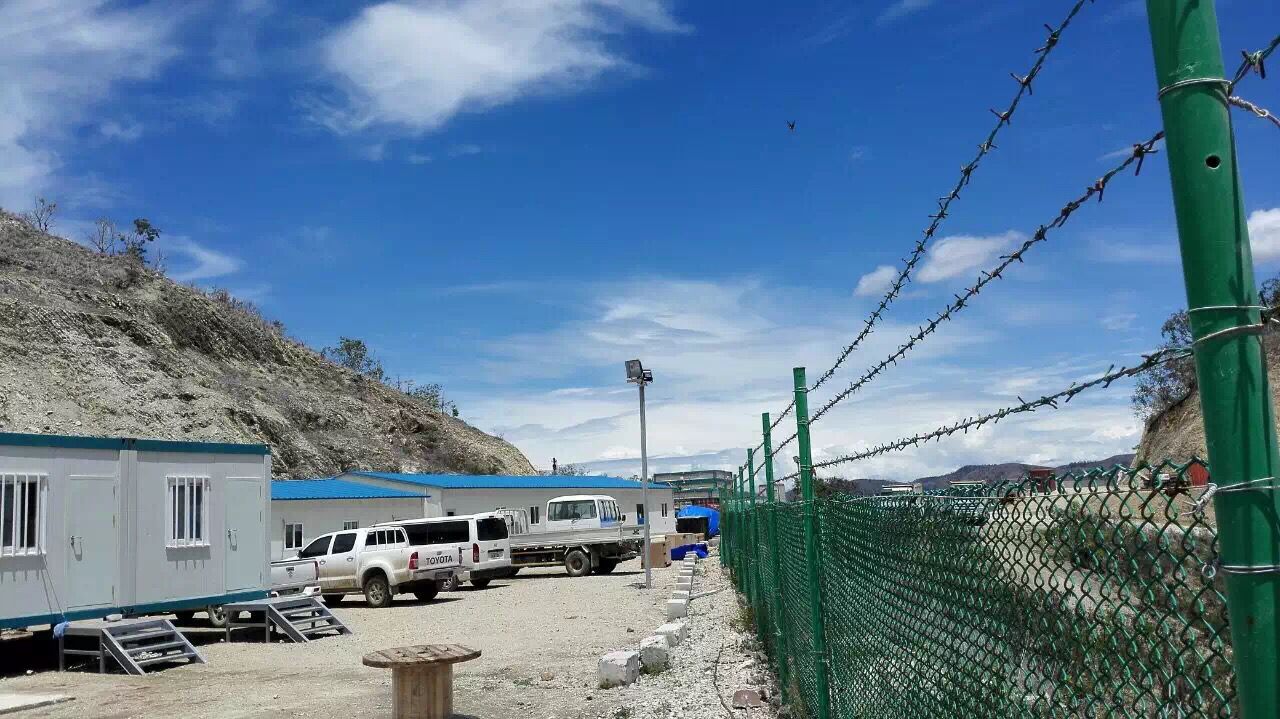
The engineering camp sector is among the most demanding applications of steel structure design. Workers on mining, oil and gas, hydropower, and infrastructure projects require safe, comfortable, and rapidly deployable accommodation and office facilities — often in locations with no local supply chain.

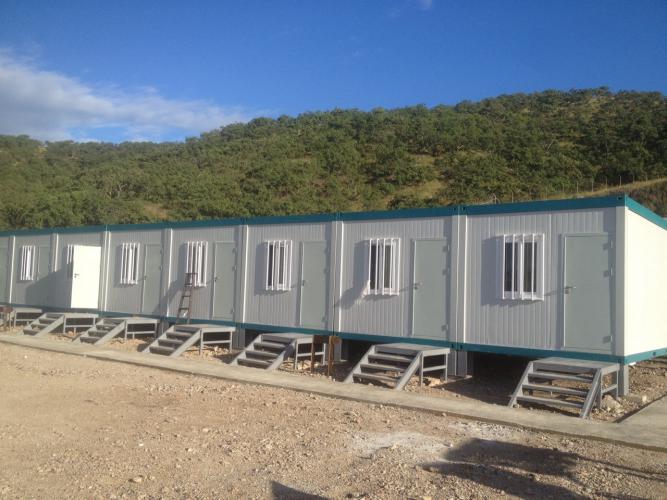
Chengdong (https://www.cdph.net/) has pioneered purpose-built steel structure solutions across these sectors. Landmark projects demonstrate the range of what thoughtful steel structure design can achieve:

  • Nigeria Dangote Oil Refinery — M-type steel structure large-span workshop and warehousing

  • Maldives Airport Expansion — Mixed steel structure camp with offices, dormitories, and medical facilities

  • Venezuela Central Power Plant Camp — Two-story hybrid design: ground floor H-type steel, second floor thin-wall cold-formed steel, for a 25,800 m² semi-permanent residential camp

  • Côte d'Ivoire Port Expansion — Cold-formed thin-wall light steel structure camp covering 27 hectares, featuring wind resistance rated at Level 10

  • Astana Light Railway (Kazakhstan) — Insulated steel structure housing for 3,000 workers enduring harsh winter conditions

Steel Structure Design Standards and Quality Control

Reliable steel structure design is grounded in adherence to recognized international and national standards. Key quality factors include:

  • Material grade: Structural steel conforming to Q235 or equivalent standards; hot-dip galvanized profiles for corrosion-critical applications

  • Factory prefabrication: All structural frames are fully pre-assembled and quality-checked in the factory, eliminating the variability of site fabrication

  • Bolted connections: Fully bolted structural connections eliminate on-site welding, reduce skill requirements at remote locations, and allow repeated assembly/disassembly without structural degradation

  • Waterproofing details: Patented structural waterproof designs eliminate screw-penetration leak points, verified through 15+ years of field application

  • Fire safety: Building materials are flame-retardant; buildings are spaced to maintain minimum 8-meter fire safety distances in camp layouts

Comparing Steel Structure House Types

House TypeStructural SystemSpan CapabilityDesign LifePrimary Application
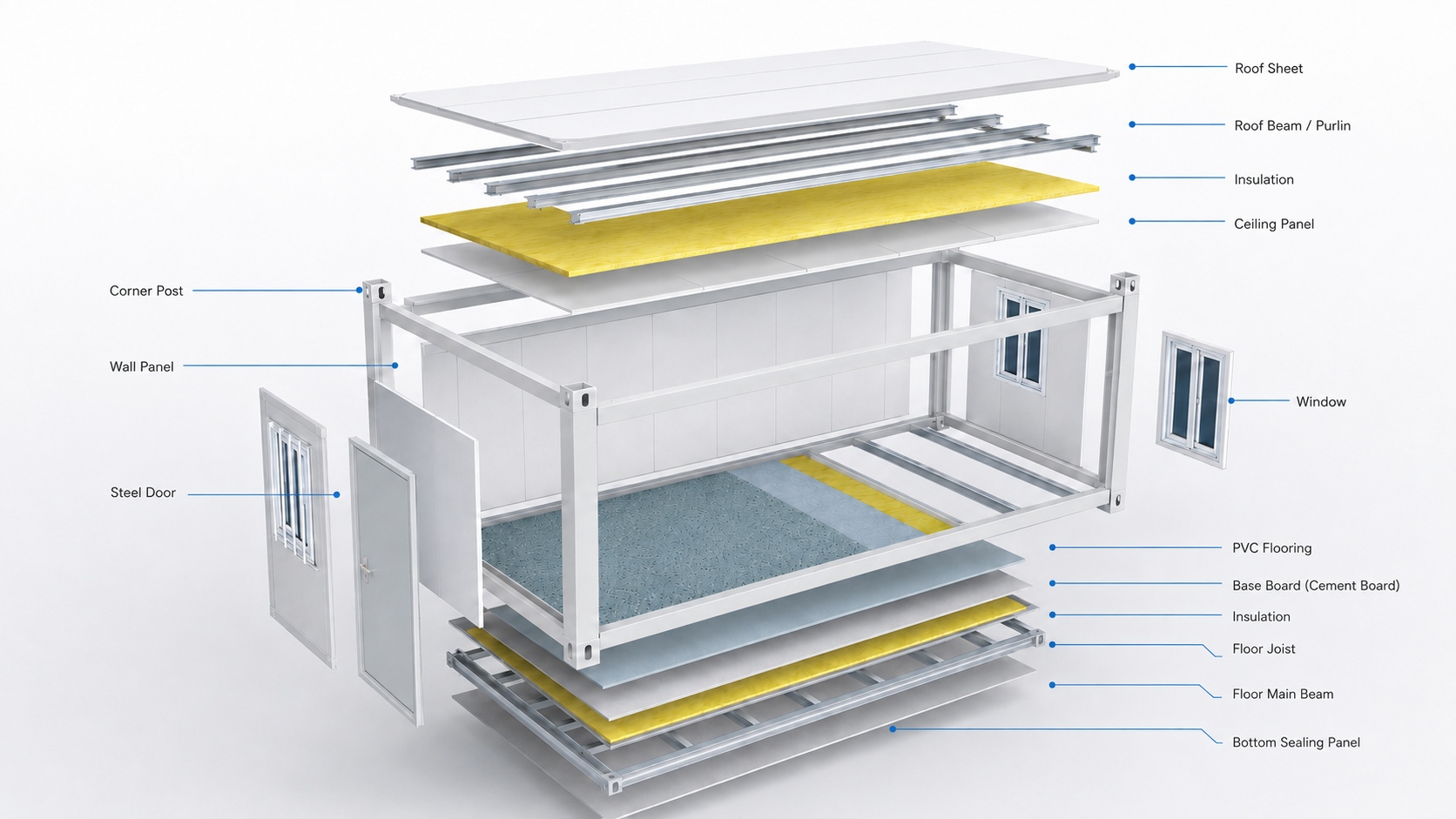
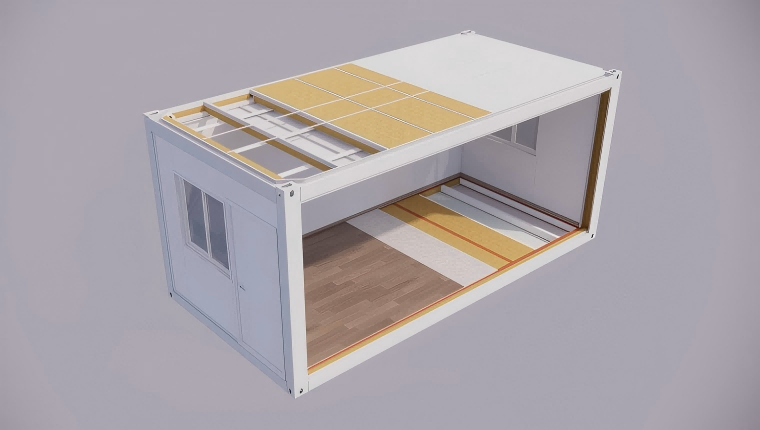
Container HouseHot-dip galvanized frameUp to 3 stories15–20 yearsShort/medium-term camp accommodation
ZA-Type HouseCold-formed thin-wall light steelUp to 11 m span15–20+ yearsOverseas engineering camp, offices
M Steel StructureCold-formed portal frameLarge span20+ yearsWarehouses, factories, camp dining
H Steel StructureHot-rolled H-sectionVery large span + crane30+ yearsIndustrial workshops, power plants
Light Steel VillaCold-formed galvanized profilesStandard residential25+ yearsSemi-permanent officer/owner accommodation


The Construction Process for Modular Steel Structure Buildings

One of the principal advantages of factory-prefabricated steel structure design is the speed and predictability of the construction process. A typical project lifecycle follows these steps:

  1. Needs assessment and camp planning — Site survey, functional requirements, head count, and environmental data collected

  2. Structural design and engineering — Load calculations, member sizing, connection detailing, and compliance verification

  3. Factory production — Structural frames, wall panels, roof panels, and pre-installed electrical/mechanical services fabricated under controlled conditions

  4. Packaging for global shipping — Structures disassembled into flat-pack or modular packages for cost-efficient ocean freight

  5. Site installation — Fully bolted assembly by trained crews; no welding required on-site, reducing skilled labor dependency

  6. Commissioning and handover — Final inspections, utility connections, and client acceptance

This streamlined process enabled Chengdong to deliver a 10,000-person camp in just 120 days, achieving high client satisfaction on demanding refinery projects.

Environmental and Sustainability Considerations

Modern steel structure design increasingly incorporates sustainability as a core design criterion. Hot-dip galvanized steel has a long service life and can be fully recycled at end of use, supporting circular economy principles. The high reuse rate of modular steel buildings — with disassembly and reassembly rates exceeding 98% without structural degradation — reduces material waste and enables redeployment to new project sites. Low-carbon engineering camps are an emerging priority, with lifecycle carbon footprint reduction and ESG compliance becoming standard client requirements.


Frequently Asked Questions (FAQs)

Q1: What is the difference between H-type and M-type steel structures?
H-type steel uses hot-rolled H-section beams, ideal for very large spans and crane-supported facilities. M-type (ZM) uses cold-formed profiles that are lighter, cheaper to transport, and faster to mass-produce — making them more suitable for overseas camp warehouses and dining facilities.

Q2: How long does a modular steel structure building last?
Design life depends on the system. Container houses and ZA-type modular buildings typically have a design life of 15–20+ years. Semi-permanent light steel villas and H-type steel structures can exceed 25–30 years with proper corrosion protection and maintenance.

Q3: Can steel structure buildings withstand extreme weather?
Yes. Chengdong's ZA-type light steel structure is rated to withstand Category 11 winds as standard, and up to Category 17 hurricanes after special structural treatment. Cold-region steel structures are also designed with thermal breaks and enhanced insulation to perform at temperatures as low as -50°C.

Q4: Do modular steel structure buildings require on-site welding?
No. Chengdong's modular steel structure systems use fully bolted connections, eliminating the need for on-site welding. This dramatically reduces installation time, lowers the skill requirements of site crews, and enables repeated assembly and disassembly without compromising structural integrity.

Q5: What is the maximum span achievable with modular steel structure design?
For ZA-type cold-formed light steel, the recommended maximum span is 11 meters (eave height up to 5 meters). H-type steel structures can be designed for considerably greater spans, including those needed to accommodate overhead cranes in industrial workshops.

Q6: How do I get a custom steel structure design for my project?
Chengdong provides full EPC (Engineering, Procurement, Construction) services covering camp planning, structural design, factory production, global logistics, and on-site installation. Visit https://www.cdph.net/ to submit your project brief and receive a tailored camp design proposal within 48 hours.

Q7: What corrosion protection does Chengdong use for steel structure buildings?
All primary structural components are treated with hot-dip galvanizing, which offers superior and long-lasting corrosion resistance compared to spray-painted finishes. Color-spray coating is added as a secondary protective and aesthetic layer.

Q8: Can steel structure buildings be relocated after initial use?
Yes. One of the key benefits of modular steel structure design is relocatability. Chengdong's buildings can be disassembled and re-assembled multiple times — with a reuse rate exceeding 98% — making them highly cost-effective for projects that move through multiple phases or locations.


Steel structure design is a dynamic, globally proven discipline at the intersection of engineering excellence and construction efficiency. Whether you need a single large-span workshop, a multi-function engineering camp, or a semi-permanent residential facility in a challenging environment, the right steel structural system — backed by experienced design, quality manufacturing, and reliable global delivery — makes all the difference. Explore Chengdong's full range of steel structure solutions at https://www.cdph.net/.


Related articles

whatsapp.png
+86 18001125785
zongubimgfz3.svg
chengdong@cdph.com.cn

Scan the QR code to follow