Tel / Whatsapp:+86 18001125785

Email:chengdong@cdph.com.cn

INQUIRY→

Home/

News/

Blog/

Modern Steel House Kits: The Complete Buyer's Guide for 2026/

Modern Steel House Kits: The Complete Buyer's Guide for 2026

Blog

Release date:Mar 16, 2026

Share:

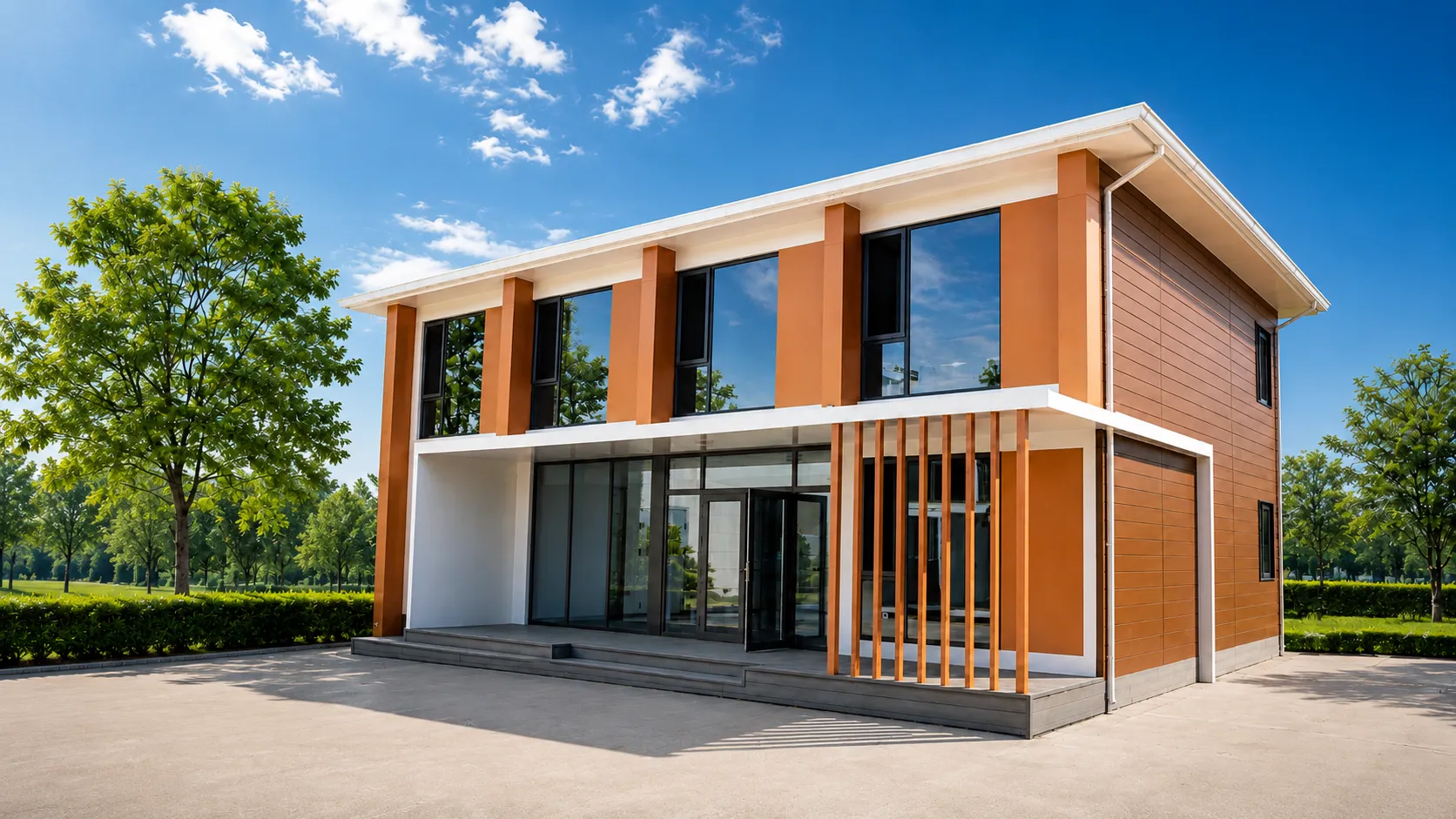
Modern steel house kits are factory-engineered, prefabricated building systems that use structural steel frames — delivered as ready-to-assemble components — allowing faster, stronger, and more cost-effective construction than traditional site-built homes. Whether you need a permanent family residence, a remote worker camp, or a commercial facility, steel kit homes have evolved into sophisticated architectural solutions capable of withstanding extreme environments worldwide.

What Is a Modern Steel House Kit?

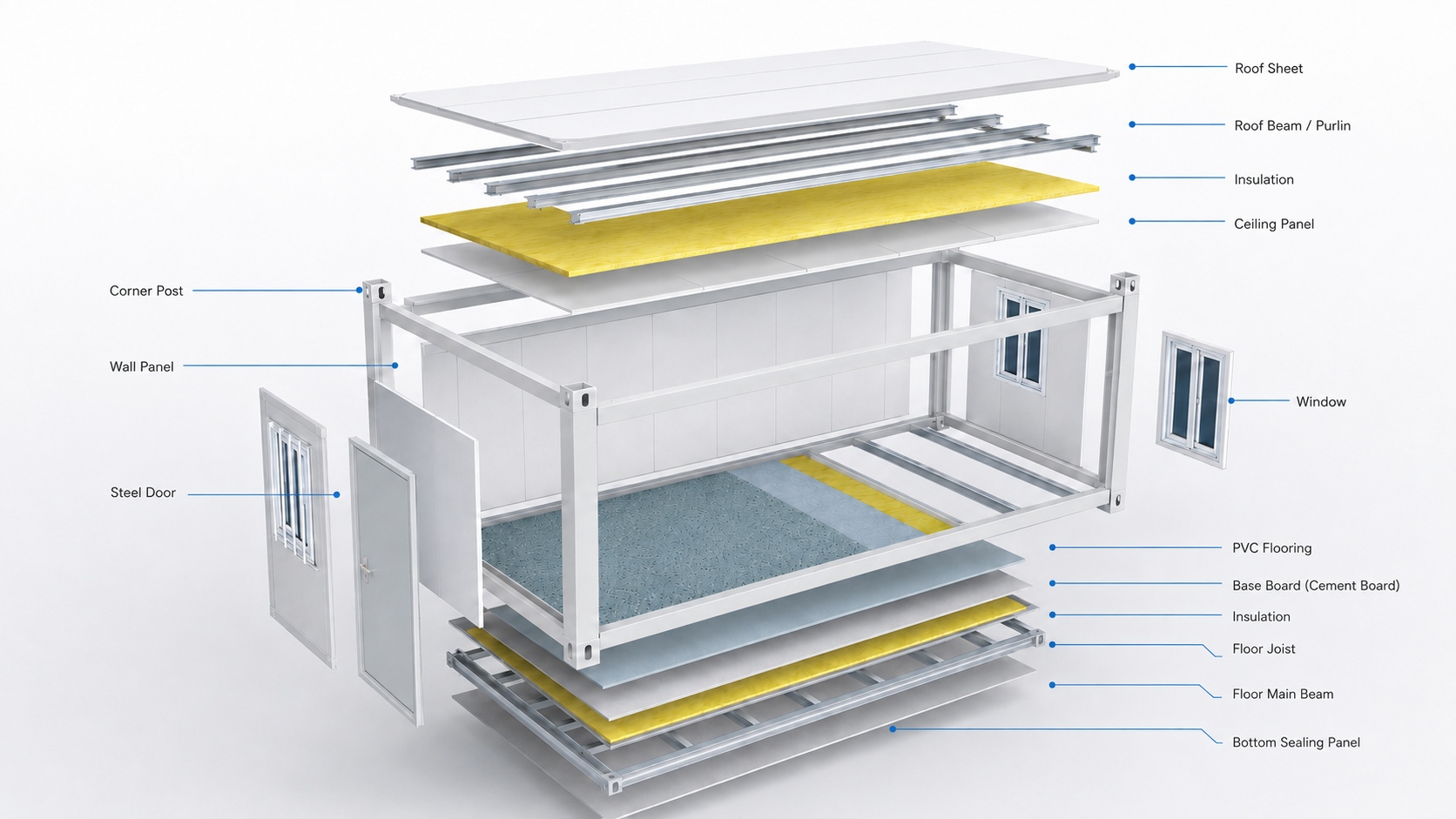
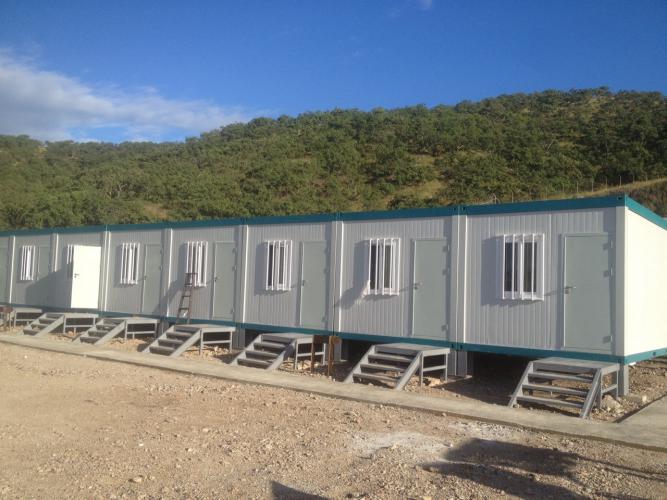
A modern steel house kit is a complete building package manufactured off-site and shipped to your location for quick assembly. The kit typically includes the steel frame, wall panels, roof panels, insulated sandwich boards, doors, windows, and interior fit-out components — essentially everything needed to erect a finished, move-in-ready structure.

Unlike traditional construction, the entire manufacturing process happens in a controlled factory environment, which dramatically reduces waste, improves precision, and shortens delivery timelines. Companies like Chengdong International Modular Housing (https://www.cdph.net/) have pioneered this approach, completing thousands of engineering camp and residential projects across more than 100 countries.

Types of Modern Steel House Kits

The market offers several distinct structural systems, each suited to different use cases and load requirements:

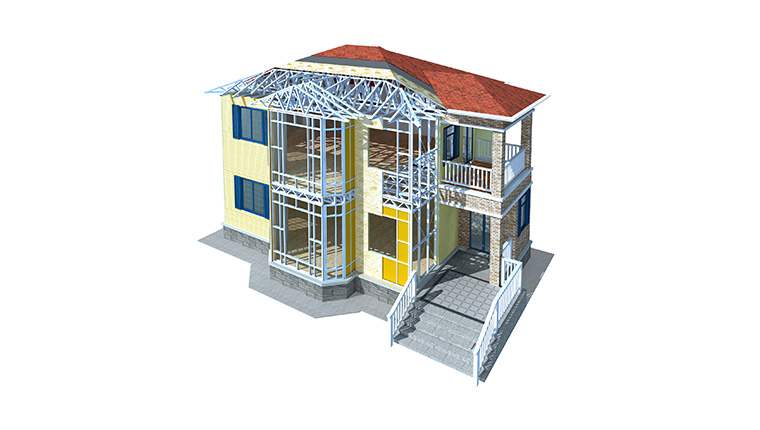
Light Steel Villa Kits

Light steel villa kits use cold-formed, hot-dip galvanized steel profiles as the primary structure. These thin-wall steel systems are ideal for semi-permanent and permanent residential applications, with a design service life exceeding 25 years. The galvanized structure offers superior corrosion resistance compared to conventional painted steel, making it well-suited for coastal and high-humidity environments.

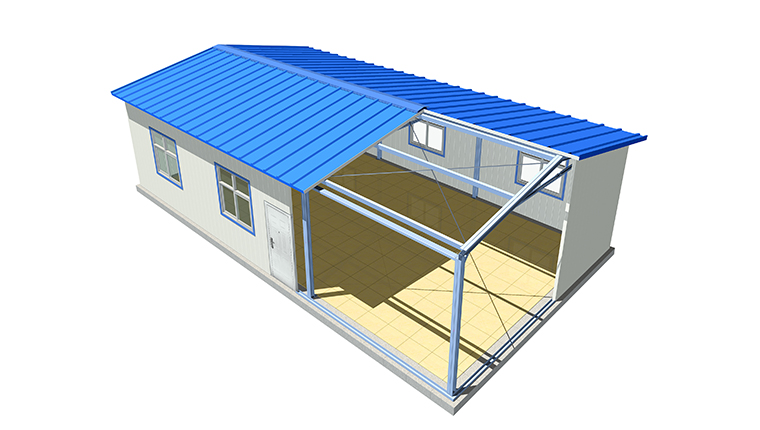
ZA-Type Assembled House Kits

The ZA-type house is an integrated modular system where the main structure is cold-formed from hot-dip galvanized steel strip. It can withstand Category 11 winds in standard form and up to Category 17 hurricanes after special structural treatment. This type is widely used as dormitories, offices, restaurants, and recreation rooms on engineering project sites worldwide, covering industries from oil and gas to railway and military.

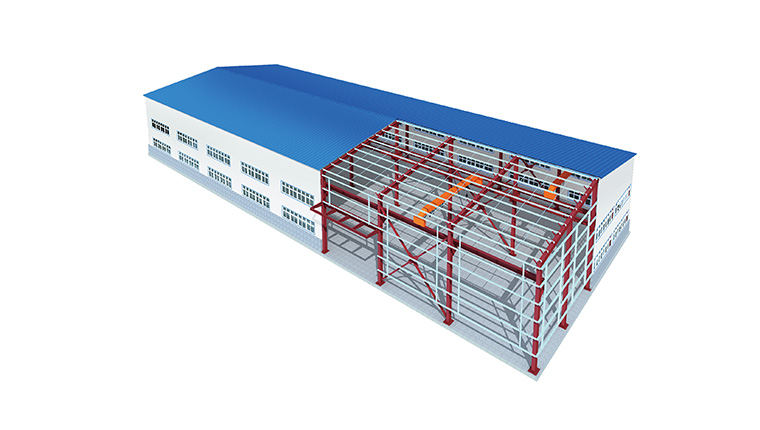
M-Type Steel Structure Kits

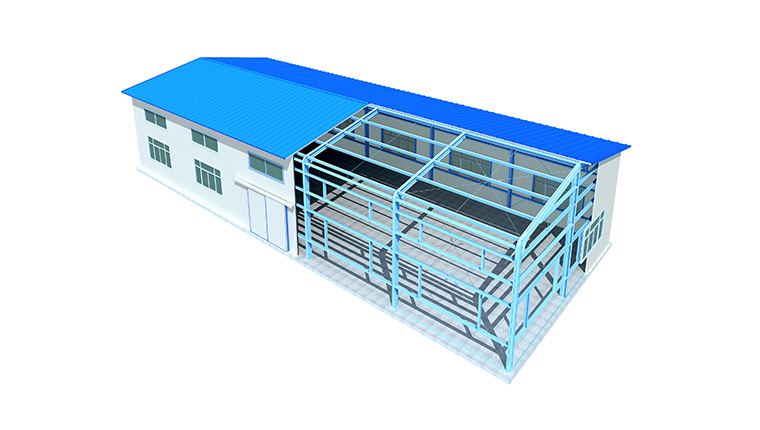
M-type (ZM) steel structures are developed from traditional portal steel frames but use cold-formed, mechanically mass-produced materials that reduce weight and transportation costs. They excel in large-span applications such as factories, warehouses, canteens, and workshops in remote or overseas project sites.

H-Type Steel Structure Kits

H-type steel structures use equal-section or variable-section H-steel as load-bearing elements, with C-type purlins and column supports as auxiliary connectors. They are the go-to choice when projects require cranes, extra-large spans, or exceptional structural rigidity — making them a favorite for industrial facilities and heavy-duty engineering camps.

Container-Based Steel House Kits

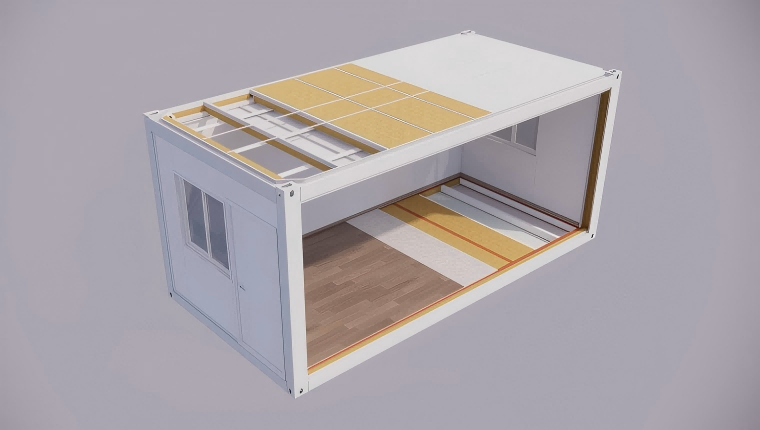
Flat-pack container houses are designed around a standardized modular footprint (typically 6,055 mm × 2,990 mm × 2,896 mm) and can be stacked up to three stories. Their greatest advantage is logistics: the roof, floor, columns, and panels ship as separate packages that fit within a standard ocean freight container, drastically reducing shipping costs on international projects.

Key Technical Specifications at a Glance

The following table summarizes the typical technical parameters for standard steel house kit systems offered by leading manufacturers such as Chengdong (https://www.cdph.net/):

SpecificationContainer House KitZA-Type House KitLight Steel Villa Kit
Outer Dimensions (L×W×H mm)6055 × 2990 × 2896Custom (max span 11m)Custom (max eave height 5m)
Design Life10–15 years15–20 years25+ years
Wind ResistanceCategory 11 standardCategory 11–17Category 11+
Wall Insulation75mm rock wool / glass wool75mm rock wool / glass wool75–100mm options
Roof Insulation100mm glass fiber wool75mm color steel sandwich board100mm+ options
Floors StackableUp to 3Up to 32–4
Structure MaterialHot-dip galvanized Q235 steelHot-dip galvanized cold-formed steelCold-formed thin-wall galvanized steel
Assembly MethodBolt connection, no weldingFull bolt connection, no site weldingBolt + connection node system


Top Benefits of Modern Steel House Kits

Steel kit homes outperform traditional brick-and-mortar construction across multiple dimensions:

  • Speed of construction — Factory pre-fabrication means on-site assembly can be completed in days rather than months; a 1,000-person engineering camp has been delivered in as few as 120 days from design to handover

  • Superior strength-to-weight ratio — Structural steel is far stronger per kilogram than timber or concrete, enabling larger spans and multi-story stacking without bulky columns

  • Extreme environment adaptability — Specialized kits are engineered for Arctic cold (rated to –50°C), desert heat with sandstorm resistance, high-altitude plateau conditions, and tropical high-humidity environments

  • Corrosion resistance — Hot-dip galvanized profiles deliver long-term protection against rust, eliminating the maintenance burden of painted structural steel

  • Relocation flexibility — Many systems are designed for full disassembly and relocation, meaning your building investment moves with your project

  • Cost efficiency — Bolt-only connections eliminate the need for on-site welding teams, reducing labor costs and construction risk

  • Eco-friendly credentials — Steel is 100% recyclable, and prefab production generates significantly less on-site waste compared to conventional construction

  • Customizable layouts — Modular units can be combined horizontally, vertically, or in L-shaped and U-shaped campus arrangements to meet any functional program

Where Modern Steel House Kits Are Used

The versatility of steel house kits extends far beyond residential applications:

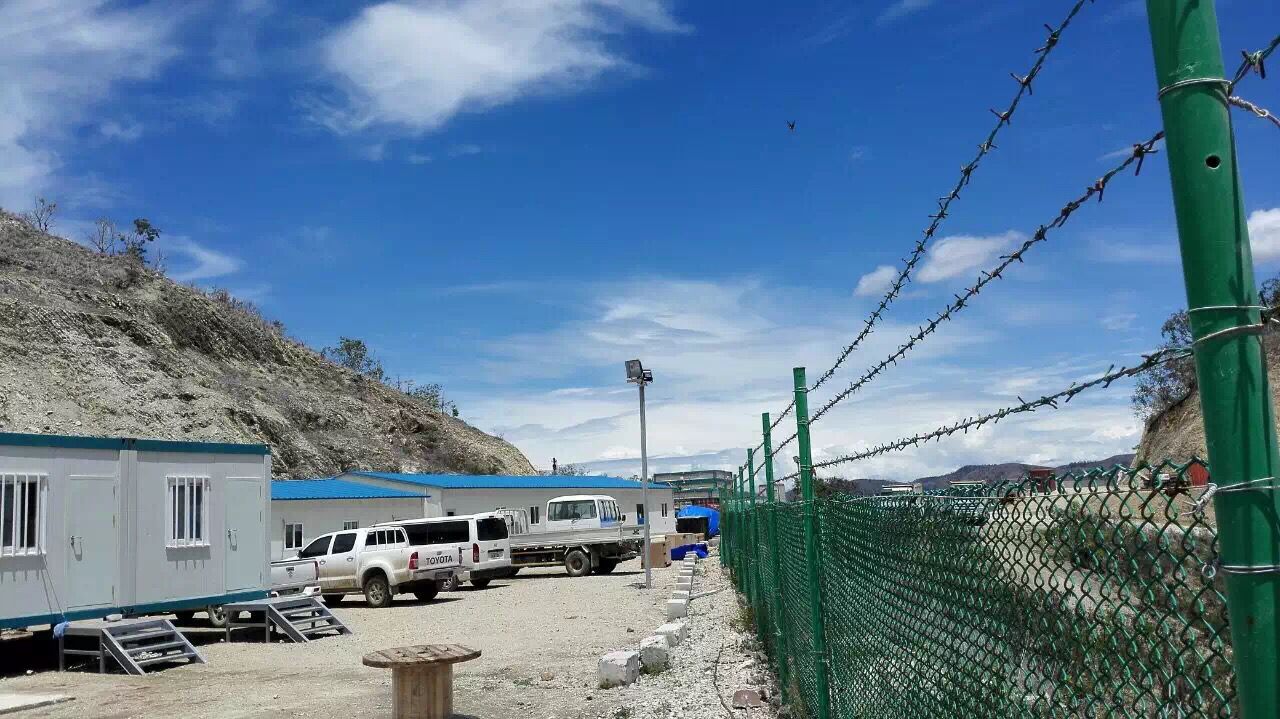
  • Engineering & construction worker camps — Dormitories, offices, canteens, and medical rooms for large-scale infrastructure projects

  • Mining & oil/gas sector — Remote site accommodations for LNG plants, refineries, and drilling operations

  • Emergency & disaster relief — Rapid-deploy temporary shelters and field hospitals

  • Education — Portable classrooms and school expansions in developing markets

  • Military & peacekeeping — Field barracks meeting military structural standards

  • Commercial & industrial — Warehouses, factories, and large-span production facilities using M- or H-type steel structures

Chengdong (https://www.cdph.net/) has delivered projects across all of these categories — from a 10,000-person camp at a Nigerian refinery to airport expansion camps in Zambia and the Maldives — demonstrating that modern steel house kits are a proven global solution.

How to Choose the Right Steel House Kit

Selecting the correct kit system depends on several factors. Use this framework when evaluating your options:

  1. Project duration — Short-term (under 3 years): container or ZA-type kits; long-term or permanent: light steel villa kits

  2. Climate conditions — Identify whether your site faces extreme cold, desert heat, high humidity, or high winds, then specify the appropriate insulation and structural rating

  3. Occupancy scale — Small teams need single-module units; large camps require modular campus planning with central canteens, recreation halls, and medical facilities

  4. Transport access — Remote sites with limited road access favor flat-pack kits that can be air-freighted or sent by standard sea container and assembled by a small local crew

  5. Regulatory requirements — Confirm local building codes and whether international standards such as CE certification apply to your project

  6. Budget — Container-type kits typically offer the lowest upfront cost; light steel villa systems carry a higher initial price but lower lifecycle cost given their 25+ year service span

Installation Process: Step by Step

A typical modern steel house kit installation follows this sequence:

  1. Site preparation — Level ground and pour concrete independent footings or a slab foundation

  2. Frame erection — Bolt together the hot-dip galvanized steel columns, beams, and roof purlins; no welding required on site

  3. Panel installation — Fix insulated color steel sandwich wall panels and roof panels to the frame

  4. Doors and windows — Install factory-cut openings for plastic-steel or aluminum alloy windows and steel security doors

  5. Interior fit-out — Lay rubber/plastic flooring, install mineral wool ceiling boards, and run pre-routed electrical circuits

  6. MEP connections — Connect water supply lines (wall-routed), drainage (wall-side outlets), and electrical distribution boxes

  7. Final inspection — Quality check against design specifications before handover

Because all major components arrive pre-cut and pre-drilled, a skilled crew can erect a standard module in under a day, and a full modular campus in a matter of weeks.

Cost Overview

Steel house kit pricing varies based on product type, insulation specification, and project scale. General reference ranges include:

Product TypeApproximate Unit Cost (USD/m²)Best For
Flat-pack Container House$200–$400Short-term camps, emergency use
ZA-Type Assembled House$300–$500Mid-term engineering projects
M/H Steel Structure$150–$350 (shell only)Factories, warehouses, large spans
Light Steel Villa$500–$900Long-term, semi-permanent residential


Note: Prices are indicative and vary significantly by region, site conditions, and finish specification. Contact https://www.cdph.net/ for a project-specific quotation.

Why Choose Chengdong for Your Steel House Kit Project

Founded in 1998, Beijing Chengdong International Modular Housing Corporation (https://www.cdph.net/) has grown into one of China's largest and most technically advanced integrated housing specialists, with a 70,000 m² super factory in Tangshan and over 4,000 projects completed across more than 100 countries. Their "5S 360°" service model covers everything from camp planning and design through factory production, global logistics, on-site installation, interior decoration, and full after-sales support. Chengdong holds CE certification and works with ENR Top-250 EPC contractors across the energy, mining, and infrastructure sectors.


Frequently Asked Questions (FAQs)

Q1: How long does it take to assemble a modern steel house kit?
Assembly time depends on the size and complexity of the structure. A single-module container house can be erected in one to two days. A mid-size camp for several hundred workers typically takes four to eight weeks from delivery to occupancy. Turnkey EPC camp projects of 1,000+ persons have been completed in as little as 120 days from initial design.

Q2: Are steel house kits suitable for cold climates?
Yes. Specialized cold-resistant steel house kits are rated for temperatures as low as –50°C, using enhanced insulation, cold-bridge elimination detailing, and airtight panel connections. Chengdong has delivered cold-climate projects in Russia and Central Asia, including the Astana Light Railway camp in Kazakhstan.

Q3: Can steel house kits be relocated after installation?
Most modular steel house kit systems are designed for disassembly and relocation. The fully bolted connection system means no welding needs to be cut on site, and the panels and frame can be packed and shipped to a new location. Container-type houses can be relocated as complete units via crane, without any disassembly at all.

Q4: What is the lifespan of a modern steel house kit?
Service life varies by product type. Container and ZA-type houses have a typical design life of 10–20 years with proper maintenance. Light steel villa systems, using thicker hot-dip galvanized profiles, are rated for 25 years or more.

Q5: How wind-resistant are steel house kits?
Standard ZA-type and container house kits are engineered to withstand Category 11 winds. After special structural reinforcement, the same systems can resist Category 17 hurricane-force winds. H-type and M-type steel structures can be engineered to local wind load codes for any region.

Q6: Do steel house kits require on-site welding?
No — one of the key advantages of modern steel house kits is that all structural connections are made with bolts, eliminating the need for skilled welders or hot-work permits on site. This dramatically simplifies installation in remote or access-restricted locations.

Q7: What insulation options are available?
Standard panels use 75–100mm rock wool or glass fiber wool color-steel sandwich boards. For extreme environments, thicker and higher-performance insulation is available, including EPS (expanded polystyrene) cores for lightweight applications and specialized desert or Arctic-rated assemblies.

Q8: Where can I learn more or request a quote?
Visit the official Chengdong website at https://www.cdph.net/ to browse product systems, view global project case studies, and submit a project brief for a customized camp design proposal within 48 hours.


Related articles

whatsapp.png
+86 18001125785
zongubimgfz3.svg
chengdong@cdph.com.cn

Scan the QR code to follow