Blog
Release date:Mar 16, 2026
Share:
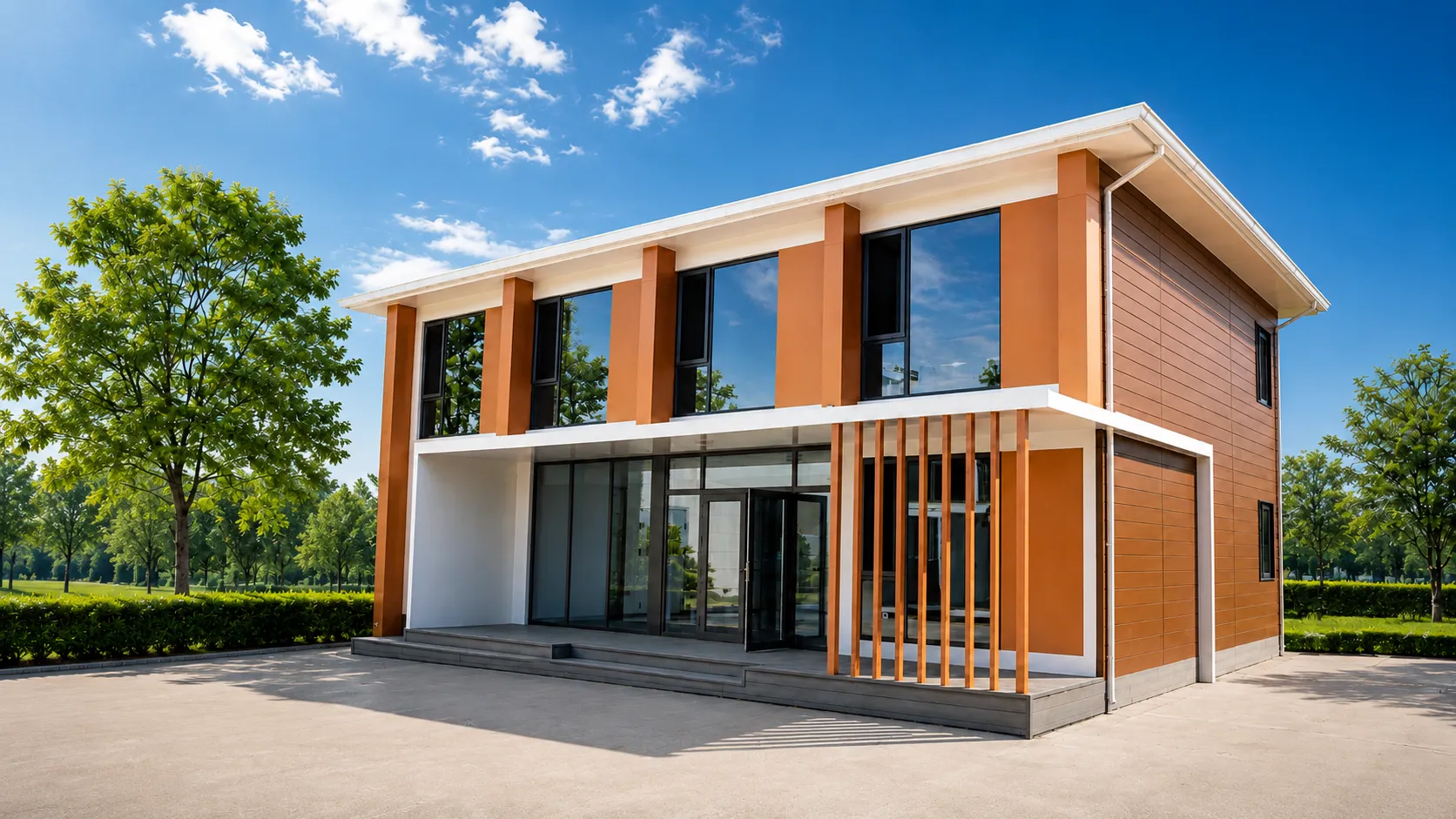
Steel structures are the backbone of modern modular construction — from remote mining camps in Chile to airport expansions in the Maldives. Whether you are a project manager, procurement officer, or construction company bidding on large-scale infrastructure, finding the right steel structure supplier can determine the safety, cost, and speed of your entire project. This guide walks you through what to look for in a steel structure supplier, the types of steel structure products available, global applications, and why industry leaders consistently turn to Beijing Chengdong International Modular Housing Corporation (CDPH) as their trusted partner.
A steel structure supplier is a manufacturer and/or distributor that designs, fabricates, and delivers prefabricated steel frameworks used in buildings, warehouses, industrial facilities, and modular housing. Unlike traditional on-site construction, prefabricated steel structures are produced in a factory and shipped to the project site, where they are assembled quickly — often with no welding required.
This approach dramatically reduces construction time, labor costs, and quality inconsistencies. The global demand for steel structure suppliers has surged in recent years, driven by infrastructure growth in the energy, mining, railway, and humanitarian sectors. For large-scale engineering camps, disaster relief housing, and semi-permanent industrial facilities, sourcing from an experienced steel structure supplier is not just a procurement decision — it's a strategic one.
Not all steel structures are the same. A qualified steel structure supplier should offer multiple product lines tailored to different load requirements, climatic conditions, and functional purposes. CDPH, for example, offers the following certified steel structure types:
| Product Type | Structure | Best For | Key Feature |
|---|---|---|---|
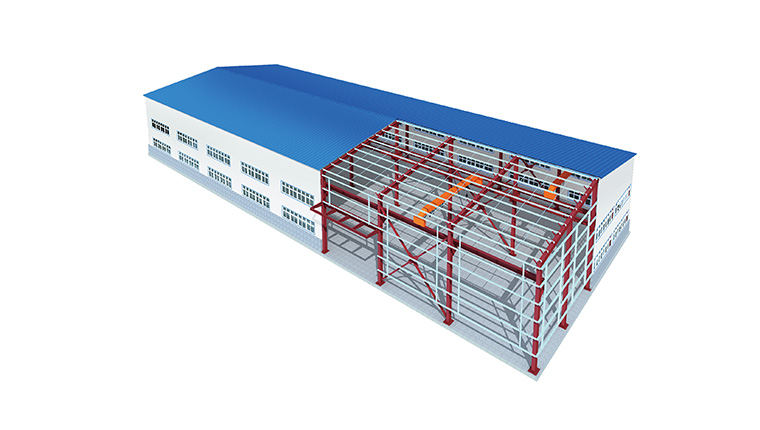
| H Steel Structure | Equal/variable section H-type steel | Large-span buildings, crane workshops | Heavy-duty, flexible design |
| ZM Steel Structure | Cold-formed, mechanized mass production | Factories, warehouses, camp restaurants | Lightweight, lower transport cost |
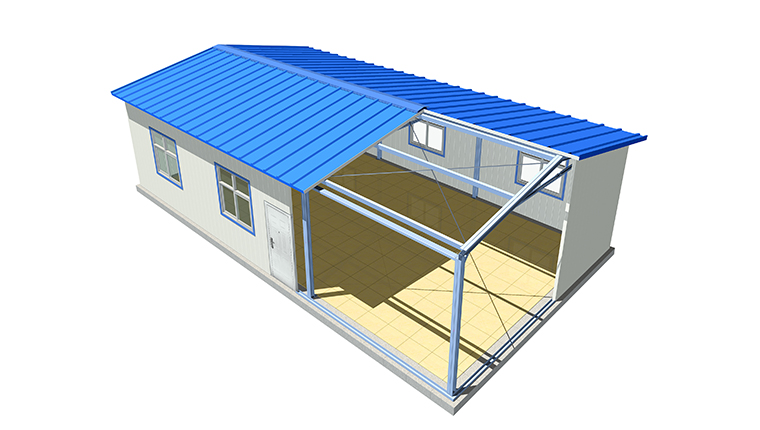
| ZA Type House | Hot-dip galvanized cold-formed steel | Dormitories, offices, overseas camps | Wind-resistant up to Category 17 hurricane |
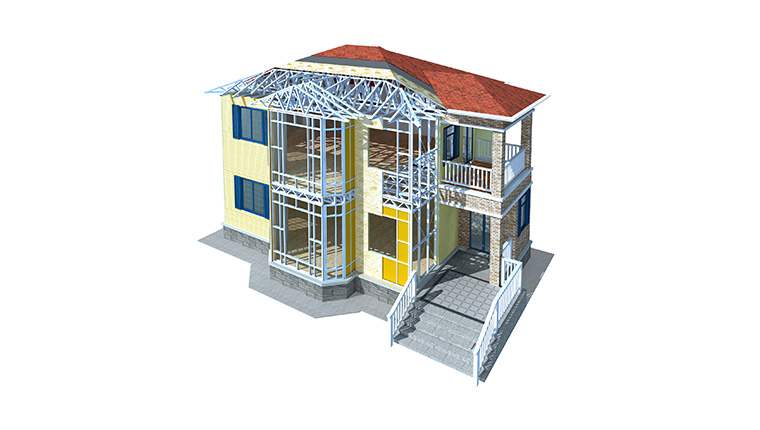
| Light Steel Villa | Semi-permanent light steel frame | Long-term overseas projects, staff quarters | 25+ year service life |
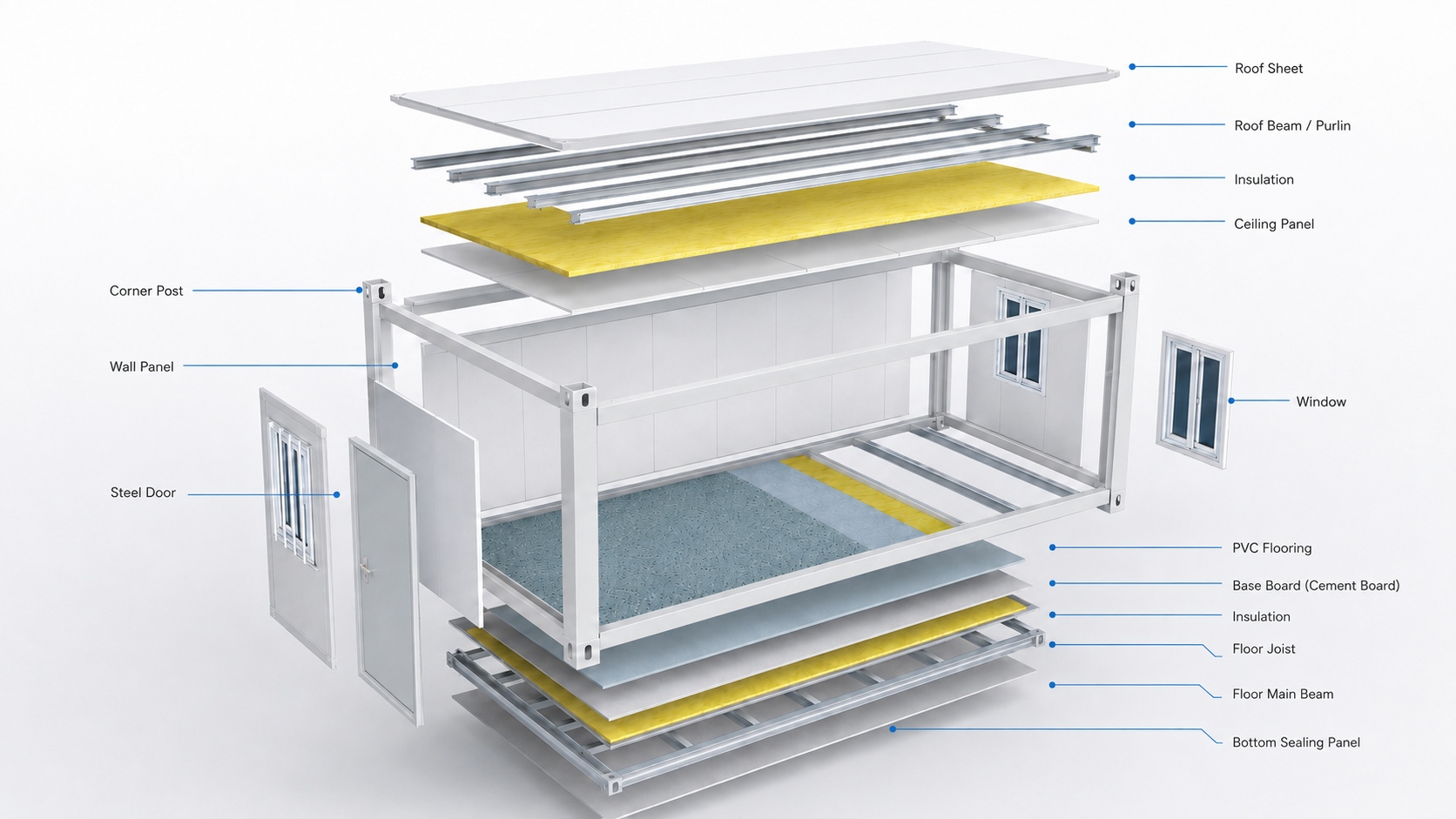
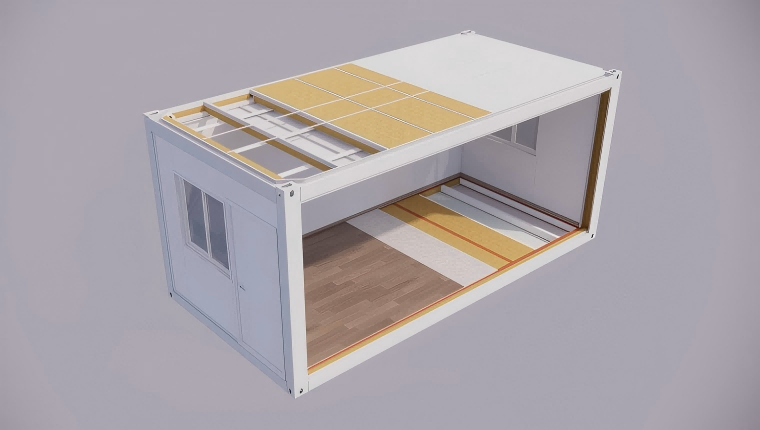
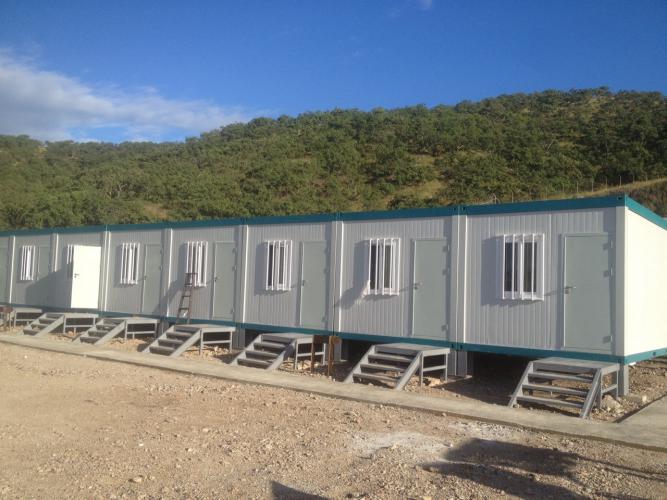
| Container House (M Type) | Hot-dip galvanized frame | Mobile operations, mining, oil fields | Stackable up to 3 layers |
All CDPH steel structure products (H steel, ZA, ZM) carry CE certification in compliance with EN 1090-1:2009+A1:2011 and EN 10025-1:2004 standards, verified by International Certification Registrar (ICR), valid through April 2029.
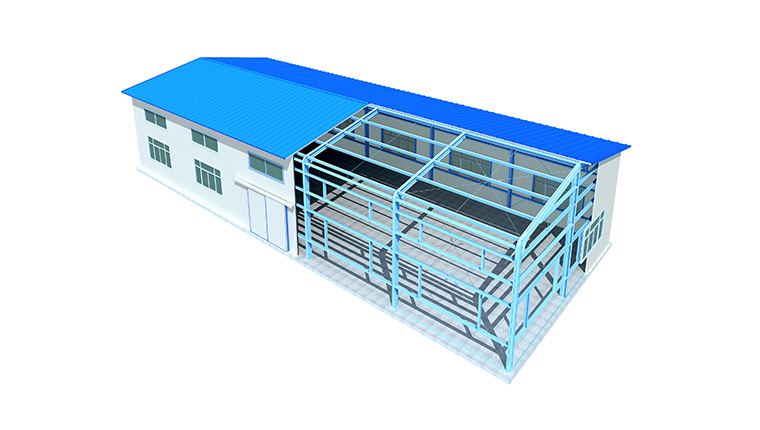
The H steel structure is the preferred choice when a project demands large-span buildings or facilities housing overhead cranes. CDPH's H-type steel uses equal-section or variable-section H-type steel as the primary load-bearing body, with C-type purlins and column supports as auxiliary connectors, fixed by bolts or welding.
Roof and wall systems use color-coated steel plates or sandwich color steel panels, creating a complete, integrated building system. This product type has been deployed across major projects including the Dangote Oil Refinery in Nigeria, the Nassau Large Resort Project in the Bahamas, and port expansion projects in Côte d'Ivoire — all environments demanding robust structural performance under challenging conditions.
The ZM steel structure was developed specifically to address the pain points of overseas engineering camp construction — namely the high weight and long processing cycle of traditional H steel, which makes long-distance transportation expensive. CDPH's R&D team innovated on the traditional portal steel structure framework, selecting cold-formed materials capable of mechanized mass production, and developed the first-generation ZM product.
ZM structures are widely used in large functional rooms including factories, warehouses, and camp restaurants on overseas engineering projects. Their lower steel consumption and compact shipping profile make them an economically superior option when transporting materials across oceans to remote job sites.
The ZA type house is one of CDPH's most globally recognized products, having undergone five major technological innovations since its market introduction. Its primary structure is cold-formed from hot-dip galvanized steel strip, with a fully patented construction system.
Key structural highlights include:
Wind resistance up to Category 11 winds standard; upgradeable to withstand Category 17 hurricanes with special treatment
Corrosion resistance via thin-walled hot-dip galvanized cold-formed steel — ideal for coastal, humid, and high-salinity environments
Fully bolted connections — no on-site welding required, reducing construction periods significantly
Flexible design — spans up to 11m, eave heights up to 5m, customized according to project needs
Broad climate adaptability — proven performance in high-temperature deserts, sub-zero Siberian winters, and tropical coastlines
The ZA system has been deployed in over 100 countries, covering sectors including construction, railway, highway, water conservancy, oil & gas, tourism, and military.
CE certification is a mandatory marker for products entering the European Economic Area, and a globally recognized signal of quality assurance. CDPH's steel structure products — including H steel, ZA, and ZM types — are certified under CPR EU 305/2011, assessed against the rigorous standards of EN 1090-1:2009+A1:2011 (execution of steel structures) and EN 10025-1:2004 (structural steel).
This certification, issued in April 2024 and valid through April 2029, confirms that CDPH's manufacturing processes and material quality meet European performance standards. For procurement officers and project engineers sourcing steel structures for international projects, this certification reduces compliance risk and provides documented assurance of structural integrity.
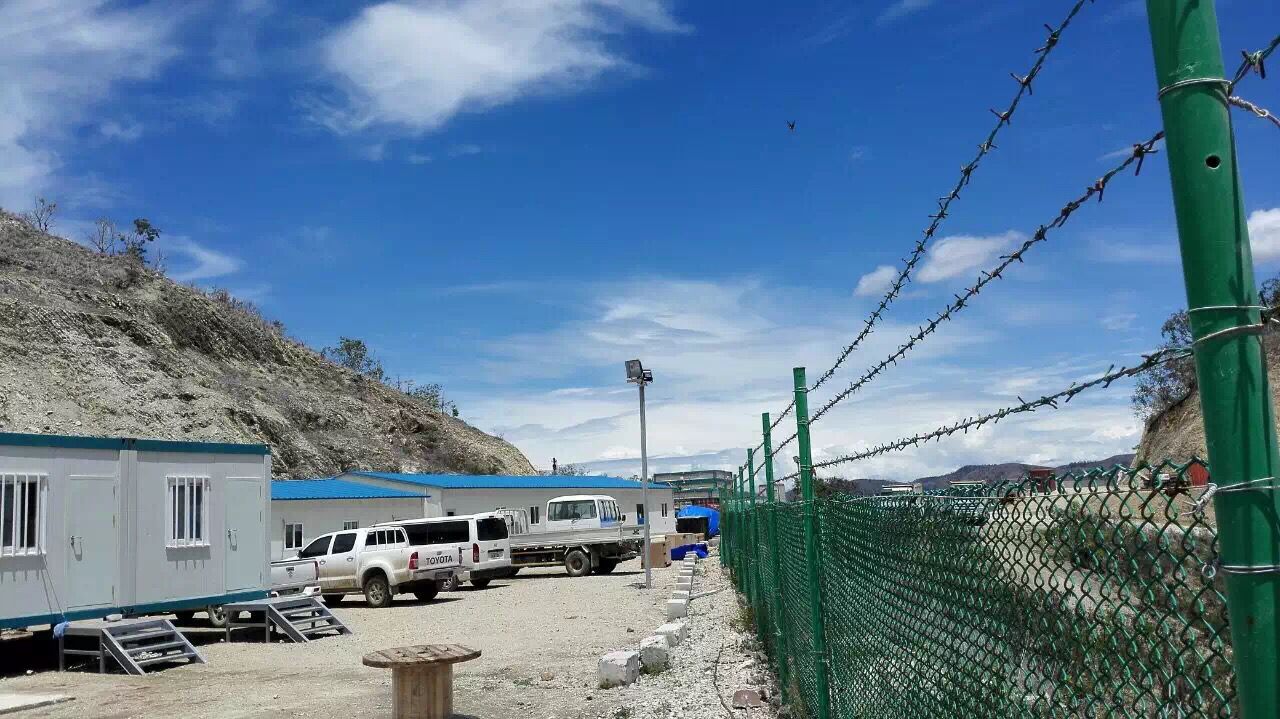
The best measure of a steel structure supplier is not just what they manufacture, but where their structures have stood the test of real-world conditions. CDPH has completed 4,000+ engineering camp projects across 100+ countries, with notable deployments including:
Maldives Velana International Airport Expansion — multi-functional camp with offices, dormitories, and medical facilities in a marine climate
Bahamas Nassau Large Resort Camp — hurricane-resistant ZA structures tested against actual wind conditions, with patented groove-bolt roof connections to eliminate leakage
Dangote Oil Refinery, Nigeria — M and H steel structures for a 10,000-person-capacity camp, completed in 120 days
Astana Light Railway, Kazakhstan — insulated modular housing for 3,000 workers in extreme sub-zero winter conditions
Zambia Kenneth Kaunda Airport Expansion — modular accommodation and office facilities for an international aviation project
Kenya Mombasa–Nairobi Railway — ZA type housing for CNPC and CNCC railway construction teams
This breadth of project experience across climates, geographies, and industries is what separates a world-class steel structure supplier from a regional vendor.
When issuing an RFQ or making a procurement decision, evaluate suppliers on these critical dimensions:
Manufacturing capability — Does the supplier operate its own factory with mechanized, quality-controlled production? CDPH operates a super factory in Lutai Economic Development Zone, Tangshan City.
Certifications — Look for CE marking, ISO compliance, and third-party structural test reports.
Product range — A supplier offering only one structural system cannot adapt to diverse project needs.
Transportation expertise — Can components be flat-packed for sea freight to reduce logistics costs? CDPH designs its structures to pack efficiently into standard containers.
On-site installation support — Does the supplier provide skilled installation supervisors? CDPH dispatches experienced technicians to project sites worldwide.
After-sales service — Long-term structural warranties and responsive technical support are non-negotiable for multi-year projects.
Climate customization — Can the supplier adjust insulation, corrosion treatment, and wind-load ratings for your project location?
The table below summarizes key technical parameters for CDPH's most widely used steel structure products:
| Parameter | H Steel Structure | ZM Steel Structure | ZA Type House |
|---|---|---|---|
| Primary material | H-type structural steel | Cold-formed galvanized steel | Hot-dip galvanized cold-formed steel |
| Roof live load | Custom designed | 0.5 kN/m² | 0.5 kN/m² |
| Wind load | Custom designed | 0.45 kN/m² | 0.45 kN/m² |
| Max span | Custom (crane-capable) | Functional room span | Up to 11m |
| Max eave height | Custom | Functional room height | Up to 5m |
| Connection method | Bolted / welded | Bolted | Fully bolted (no site welding) |
| Corrosion protection | Coated | Hot-dip galvanized | Hot-dip galvanized |
| Typical use | Warehouses, workshops | Factories, dining halls | Dormitories, offices |
Steel structures from suppliers like CDPH serve a remarkably broad range of sectors:
Oil & Gas — Remote processing facilities, accommodation camps, and equipment shelters for upstream and midstream operations
Mining — On-site workshops, personnel quarters, and administrative offices in isolated mining regions
Railway & Infrastructure — Construction camps, maintenance depots, and station support buildings along railway corridors
Humanitarian & Government — Emergency housing, military barracks, and government-funded resettlement projects
Hospitality & Resorts — Semi-permanent and permanent guest accommodation and service buildings in tourism zones
Industrial Manufacturing — Factories, assembly plants, and warehouses for industrial park development
Q1: What is the difference between H steel structure and ZM steel structure?
H steel structure uses heavy equal or variable cross-section H-type steel beams, making it ideal for large-span buildings and crane-equipped workshops. ZM steel structure uses lighter cold-formed galvanized steel, engineered for cost-efficient production and ocean freight logistics — perfect for functional camp buildings like dining halls and warehouses.
Q2: Can steel structures be customized for extreme climates?
Yes. CDPH's ZA type structures have been adapted for sub-zero temperatures in Kazakhstan, tropical coastal environments in Somalia and the Bahamas, and earthquake-prone regions in Chile. Insulation thickness, corrosion coatings, and wind-load ratings are all adjustable based on site conditions.
Q3: Are CDPH steel structure products CE certified?
Yes. CDPH's H steel, ZA, and ZM steel structure products hold CE certification under CPR EU 305/2011, compliant with EN 1090-1:2009+A1:2011 and EN 10025-1:2004. Certification is valid from April 2024 through April 2029.
Q4: How long does it take to install a steel structure building?
Installation time varies by project size and complexity. For a 25-day procurement-to-shipment timeline in the Somalia project, including raw material procurement, production, and factory delivery — full on-site installation was completed ahead of schedule. The ZA's fully bolted system eliminates welding, significantly accelerating field assembly.
Q5: Can CDPH steel structures be stacked or expanded?
Container house modules can be stacked up to three layers. ZA type structures can be designed for multi-story configurations. H steel structures support overhead cranes and large clear-span interiors, allowing interior space to be reconfigured for different operational needs.
Q6: Where can I learn more or request a quote for steel structure products?
You can explore CDPH's full product line, project cases, and contact their global sales team directly at https://www.cdph.net/.
Q7: What is the service life of CDPH steel structure buildings?
Standard ZA type and container houses are designed for the typical duration of engineering projects. CDPH's semi-permanent light steel villa products are engineered for a service life of 25+ years, making them suitable for long-term operational camps and owner-occupied project facilities.
Founded in 1998, Beijing Chengdong International Modular Housing Corporation has spent over 25 years building the capabilities, certifications, and global project portfolio that define a truly world-class steel structure supplier. With CE-certified H steel, ZM, and ZA structural systems, a super factory in Tangshan, and a proven track record across 4,000+ projects in 100+ countries — from the Arctic-adjacent steppes of Kazakhstan to the hurricane belts of the Caribbean — CDPH combines manufacturing excellence with deep field expertise.
For project developers, EPC contractors, and procurement teams sourcing steel structures for engineering camps, industrial facilities, or modular housing, CDPH represents not just a supplier, but a strategic partner capable of delivering end-to-end solutions from design and fabrication through logistics, installation, and after-sales support. Visit https://www.cdph.net/ to explore product specifications, project case studies, and global service capabilities.
Scan the QR code to follow