Blog
Release date:Jul 17, 2026
Share:
Around the world, engineering projects in energy, mining, infrastructure, and hydropower rely on safe, efficient accommodation for hundreds or thousands of workers in tough environments. Prefabricated workforce housing units and buildings offer a fast, reliable way to create modern camps that meet these demands while protecting budgets and schedules.
Unlike traditional construction, prefabricated housing is manufactured in factories and delivered as modular units, which significantly reduces on-site work and exposure to climate risks. When combined with an experienced EPC camp partner such as CDPH (Chengdong Prefabricated Housing), owners and contractors gain an integrated solution from project planning to installation.
Many workforce housing projects are located in desert oilfields, high-altitude hydropower sites, tropical ports, or cold mining regions where standard buildings struggle. High temperature, sandstorms, heavy rain, snow loads, and strong winds can damage conventional temporary structures and quickly reduce living comfort for workers.
In desert and semi-desert regions, intense solar radiation and sand-laden winds raise indoor temperatures and accelerate façade wear, making robust thermal insulation and durable exterior panels essential. In high-altitude or extreme cold mining camps, long winters and permafrost require housing that can maintain stable indoor temperatures, prevent freezing, and resist snow loads on roofs.
Remote project sites often sit far from urban infrastructure, increasing logistics complexity and making reliable prefabricated solutions more valuable. At hydropower, port expansion, and energy projects, there may also be strict environmental regulations around rivers, reservoirs, coastal zones, or protected areas, which limit heavy construction and long-term impact.
Prefabricated workforce housing units minimize on-site disturbance because modules are produced off-site and assembled quickly, reducing noise, waste, and soil disruption. This approach supports environmental compliance while still delivering complete camps with dormitories, offices, canteens, clinics, storage, and recreation areas.
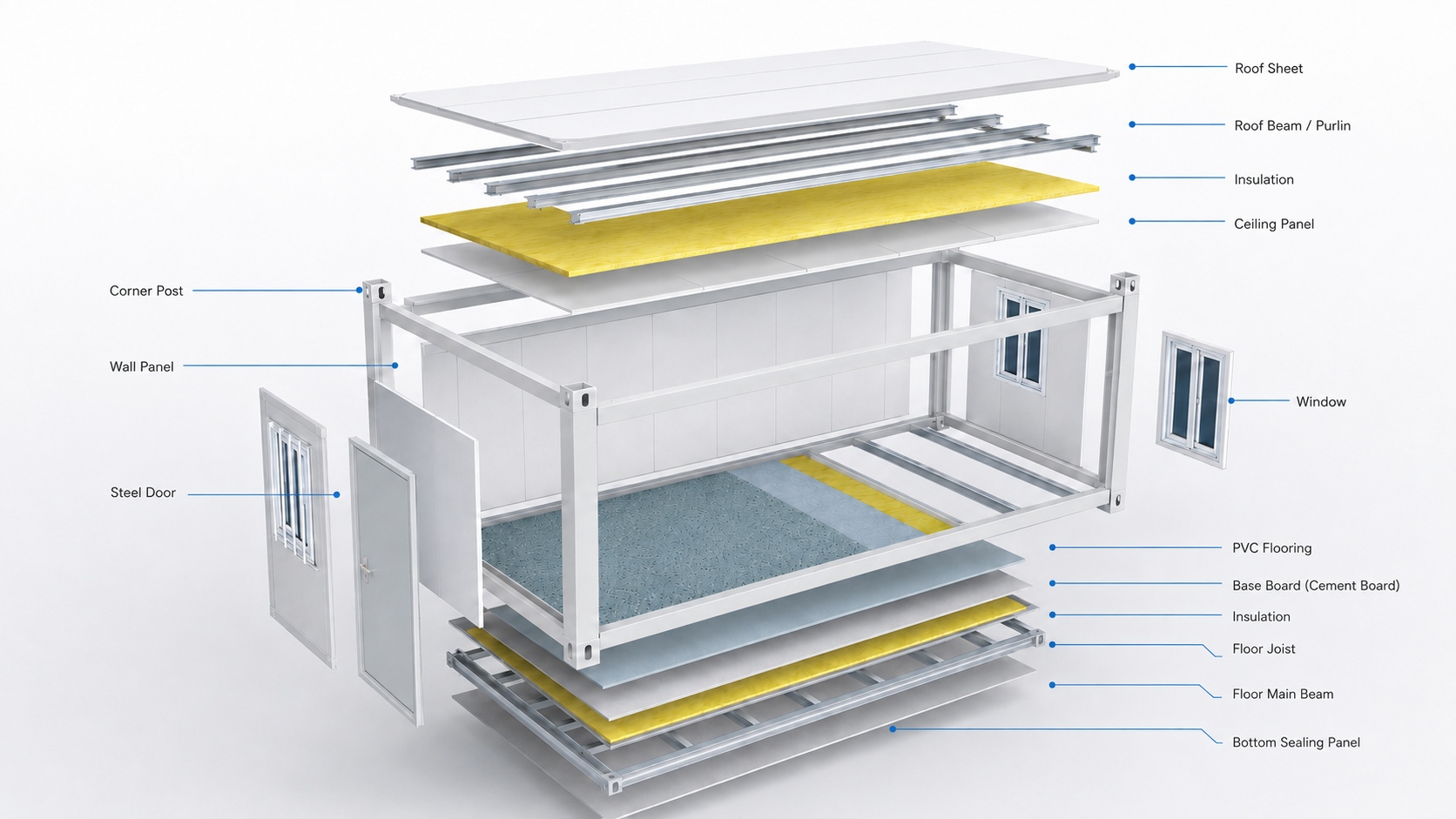
Prefabricated workforce housing units and buildings are modular accommodation, office, and service spaces manufactured in factories and assembled on site to support workers on temporary or semi-permanent projects. Each module is designed as a structural unit with integrated walls, floors, roofs, doors, and windows, enabling rapid installation and flexible layout design.
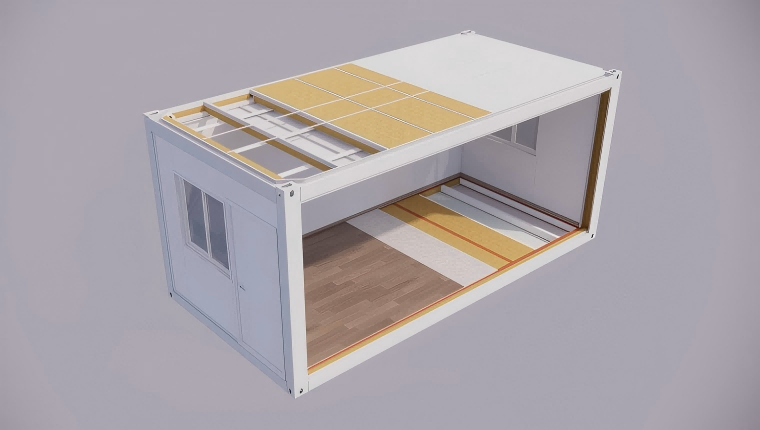
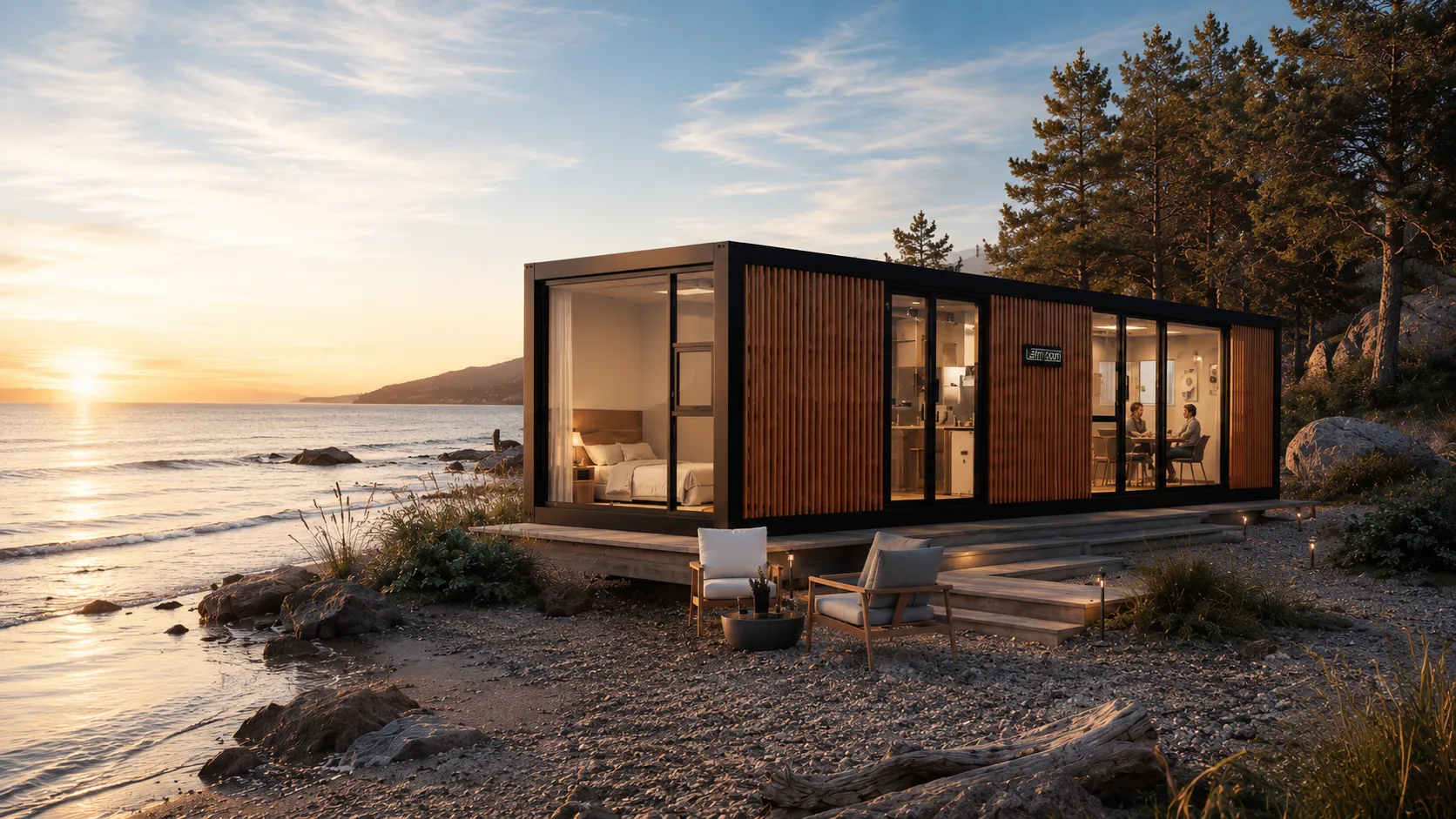
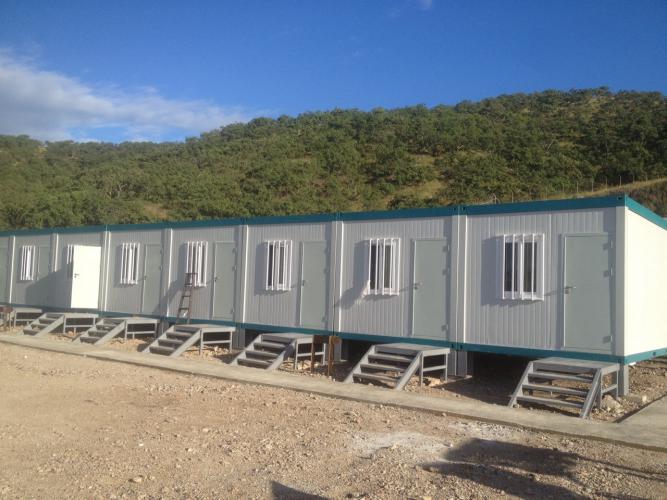
Container houses are one of the most widely used products for workforce housing; they are movable, reusable units built with welded steel frames as standard components and connected on site by bolts for stable stacking up to three floors. Prefab houses and light steel villas complement container houses, providing higher comfort levels for management staff or long-term accommodation in semi-permanent camps.
For EPC contractors and project owners, prefabricated workforce housing units and buildings bring several key benefits:
Fast deployment: Factory-prefabricated modules significantly reduce construction time and allow early camp readiness on critical-path schedules.
Cost control: Modular designs optimize material use, reduce labor requirements on site, and support relocation or reuse on future projects, lowering lifecycle costs.
Quality consistency: Centralized manufacturing with standardized quality control ensures consistent structural performance, insulation, and finishing across the whole camp.
Scalability: Modules can be added, relocated, or reconfigured as workforce numbers change during project phases.
These strengths make prefabricated workforce housing the preferred choice for modern EPC camps across Africa, Asia, the Middle East, and Latin America.
For most workforce housing projects, container houses form the backbone of dormitory and office buildings due to their speed, durability, and modular flexibility. CDPH’s container houses use a robust steel frame as the primary structural unit and can be combined horizontally and vertically to form complete dormitory blocks, office wings, and canteen complexes.
These units are designed as movable and reusable buildings, allowing owners or EPC contractors to relocate them to new project sites or adjust layouts as project needs evolve. In many engineering camps, container houses are deployed for worker dormitories, project management offices, clinics, security posts, and storage areas. You can explore container house solutions for workforce housing directly on CDPH’s product page at https://www.cdph.net/product-center/container-house.
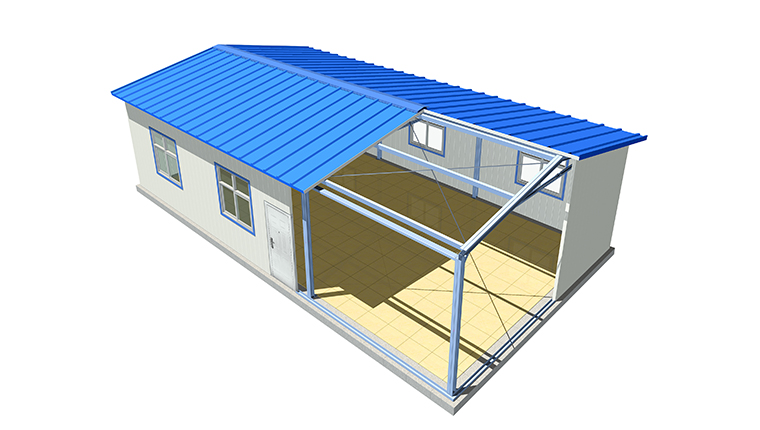
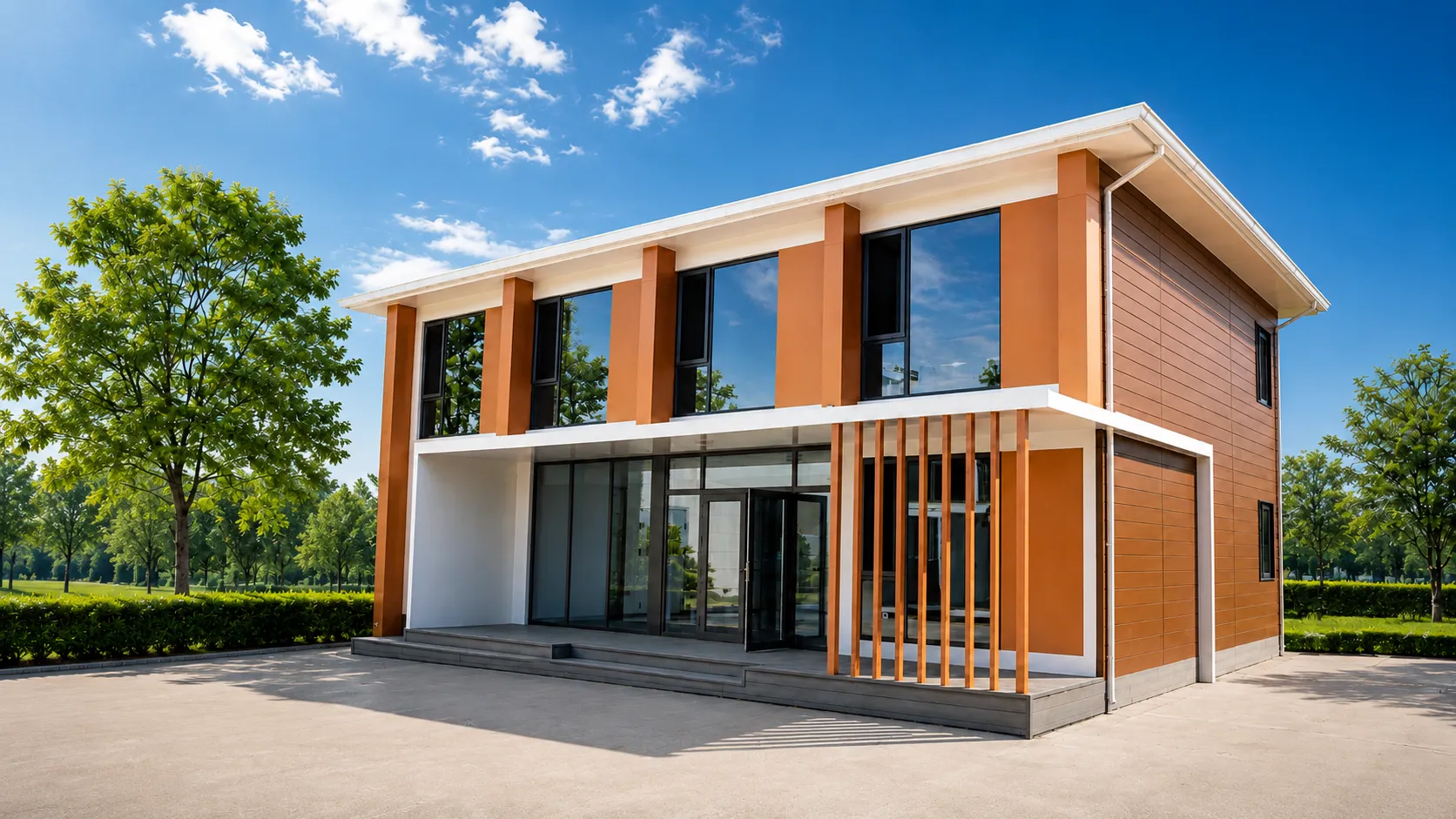
Prefab houses use steel frames and composite panels to create stable, insulated buildings with customized layouts and interior decoration for different functions. They are ideal for canteens, large offices, classrooms, and communal facilities where open spaces, good sound insulation, and comfortable interiors are important.
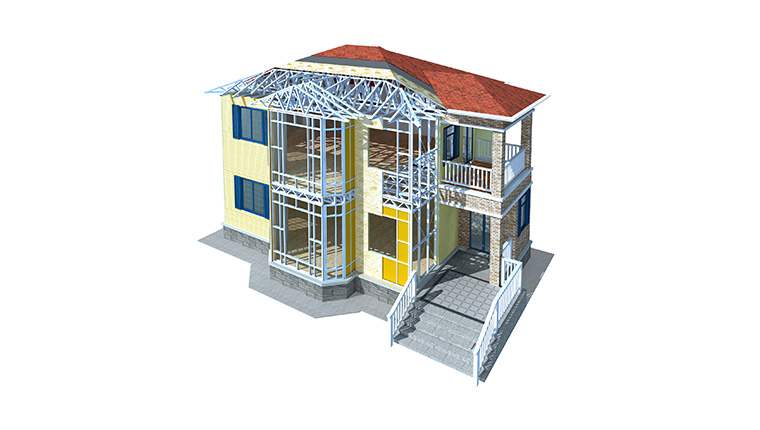
Light steel villas provide semi-permanent, higher-end accommodation, often used for senior staff or long-term residents in EPC camps. Their design allows targeted material selection for different climate zones, improving energy efficiency and living comfort while reducing on-site environmental impact compared to traditional masonry villas. In addition, CDPH’s light steel module products are used for hotels, apartments, and commercial buildings, offering modular designs with strong earthquake, wind, fire, and insulation performance.
A good illustration of modular housing versatility is CDPH’s Box Cabin Imitation Courtyard Project in China, which used 86 modular box cabins to create a traditional Siheyuan-style complex with office, reception, exhibition, rest, and support areas. By combining modular units with carefully designed courtyards and antique-style finishes, CDPH delivered a modern building complex that preserves classical Chinese aesthetics.
This case demonstrates how prefabricated modular units can form high-quality, architecturally distinctive buildings for hotels, homestays, offices, and restaurants, proving that workforce housing projects can also benefit from thoughtful layout design and cultural integration.
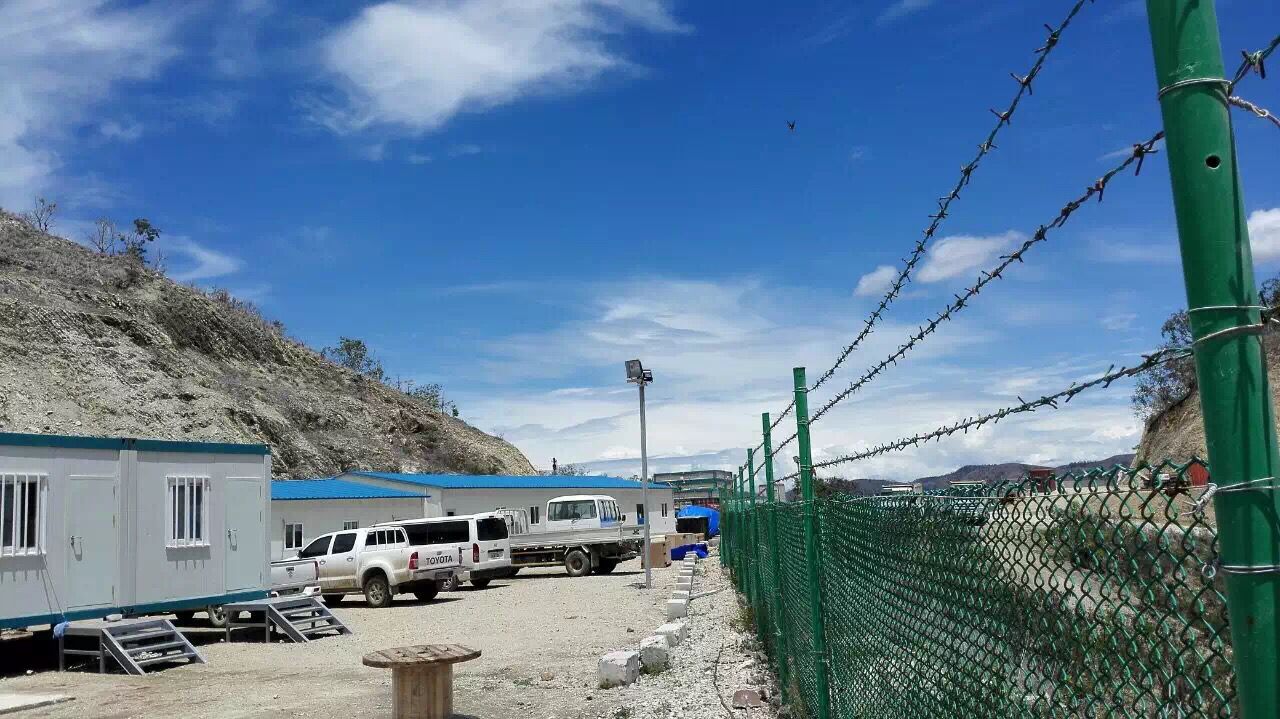
In desert oilfields, workforce housing must withstand high temperatures, sandstorms, and strong solar radiation while remaining safe and comfortable. CDPH’s prefabricated workforce housing units and buildings for oilfield man camps use container houses for most dormitories, kitchens, and offices, paired with light steel villas for management housing.
Insulated wall and roof systems, efficient ventilation, and durable exterior panels help maintain indoor comfort and reduce energy consumption for cooling. Modular layouts allow EPC camp designers to separate living, operations, and logistics zones, creating safe circulation paths between accommodation and work areas while keeping sensitive equipment and storage away from dust and sand.

Mining projects often sit in remote areas with limited infrastructure, requiring workforce housing that is quick to build yet strong enough for long-term use. CDPH container houses and prefab structures are used to create dormitories, canteens, clinics, and offices in mining camps, with modular layouts that can expand as production scales up.
For cold regions such as Inner Mongolia or plateau mining sites, CDPH offers cold-resistant container house systems and specialized insulation packages that maintain safe indoor conditions in extreme winter temperatures. This ensures workers can rest comfortably and safely after shifts, supporting productivity and morale in harsh climates.
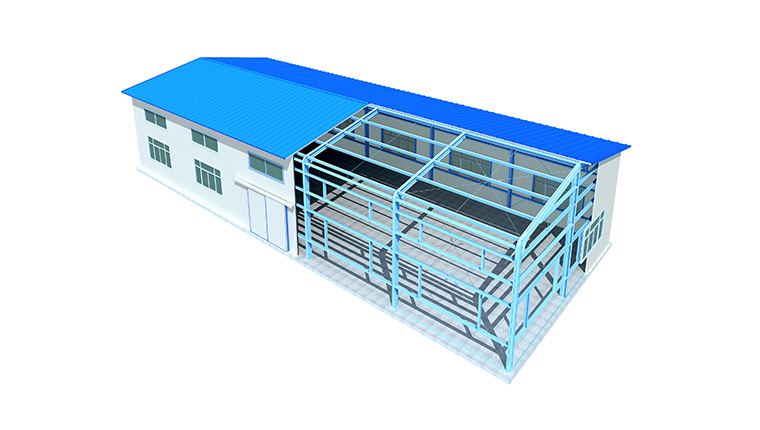
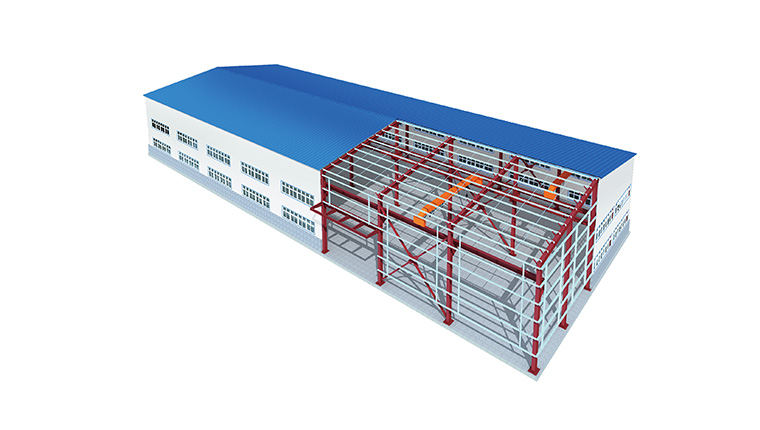
Hydropower and large infrastructure projects near rivers and coastal zones require carefully planned camps that respect environmental constraints and provide secure accommodation close to work fronts. CDPH’s EPC camp solutions for these projects typically combine container houses for dormitories and service buildings with steel structures for workshops and storage, plus prefab houses or light steel modules for offices and control centers.
The Côte d’Ivoire Abidjan Port Expansion Camp Project is one of the highlighted cases in CDPH’s case center, showcasing modular workforce housing for port expansion with durable, climate-resilient buildings. Such projects benefit from standardized container units and modular layouts that can adapt as construction phases shift and workforce numbers change.
Successful prefabricated workforce housing units and buildings rely on a structured EPC process that starts long before modules arrive on site. CDPH typically supports owners and EPC contractors through the following steps:
Site and climate definition – Temperature range, wind and snow loads, rain patterns, altitude, soil conditions, and seismic requirements are assessed to define structural and insulation specifications.
Regulatory and environmental review – Local building codes, safety regulations, and environmental constraints around rivers, reservoirs, or protected areas are incorporated into camp layout planning.
Workforce profile and camp functions – Peak workforce capacity, room types (single, double, suites), and required facilities such as canteens, kitchens, offices, clinics, warehouses, prayer rooms, and recreation spaces are clarified.
Product mix selection – Container houses are typically chosen for most dormitories, offices, and service buildings; light steel villas or modular house units provide higher-grade accommodation for management; steel structures support workshops and large functional buildings.
By following this process, project teams match prefabricated workforce housing units and buildings to technical, environmental, and human requirements, reducing change orders and improving camp performance over the project lifecycle.
As a one-stop temporary workforce housing manufacturer, CDPH delivers integrated solutions that include layout design, detailed engineering, off-site manufacturing, logistics planning, and on-site installation. With more than 4,000 projects in over 100 countries, CDPH has extensive experience implementing modular camps for engineering, mining, educational, emergency, and military assistance applications.
Factory-prefabricated modules are produced in CDPH’s domestic manufacturing bases in Hebei, Xinjiang, and Sichuan, giving strong capacity and geographic flexibility for serving different regions. These three factories support large annual production capacity for container house units, enabling rapid response for large-scale workforce housing orders.
CDPH’s strength in prefabricated workforce housing units and buildings is backed by three core factories in mainland China, each supporting different regions and product lines.
Hebei factory (CDPH Integrated Housing Hebei Co., Ltd.) – Located in the Tianjin/Tangshan area, mainly producing container houses and integrated housing for large engineering camps.
Xinjiang factory (CDPH(Xinjiang) Modular Housing Manufacturing Co., Ltd.) – Positioned in Urumqi to serve western China and Central Asia with modular housing tailored to continental and plateau climates.
Sichuan factory (CDPH(Sichuan) Prefabricated Construction Technology Co., Ltd.) – Based in Suining, focusing on prefabricated construction technology and light steel products for hydropower, infrastructure, and civil buildings.
These factories allow CDPH to manufacture, pack, and ship container houses, prefab houses, steel structures, and light steel module products efficiently to global sites, supported by overseas branches and partners in regions such as Mozambique, Argentina, and Korea. This multi-factory footprint is a key reason CDPH can reliably deliver large EPC camps within tight schedules and challenging logistics conditions.
Well-designed prefabricated workforce housing units and buildings go beyond basic shelter; they create humane living environments that support worker safety, health, and morale. By combining appropriate room sizes, reliable climate control, natural lighting, and quiet interiors, modular dormitories and villas contribute to better rest and recovery between shifts.
Zoning within EPC camps typically separates living areas from operations, storage, and high-traffic logistics routes, reducing noise and safety risks while providing dedicated recreation zones. Container houses, prefab houses, and modular office buildings can be configured to include social spaces, gyms, prayer rooms, and outdoor areas, helping workers maintain social and mental well-being over long project cycles.
Comfortable, reliable housing is directly linked to productivity and worker retention on remote industrial projects. Workers who feel secure and valued in their living environment tend to perform better, experience lower turnover, and build stronger team cohesion. Prefabricated workforce housing units and buildings help owners achieve these benefits with predictable costs and timelines.
Thanks to modular design and reusable components, the same housing units can support multiple projects over time, increasing return on investment and reducing waste. An EPC camp partner such as CDPH can also help design strategies for camp expansion, partial relocation, or transformation into other uses, ensuring the housing assets remain valuable even after the initial project ends.
To learn more about CDPH’s engineering camp and modular solutions, you can visit the official homepage at https://www.cdph.net.
Scan the QR code to follow