Blog
Release date:Jul 17, 2026
Share:
When investors and EPC contractors plan engineering camps, “steel structure house price” is usually calculated around modular worker housing rather than single-family homes. For oil and gas, mining, power, or infrastructure projects, this price needs to balance durability, speed, comfort, and lifecycle costs in demanding environments.
CDPH Modular House (Chengdong) focuses on modular worker camps—container houses, prefab houses, and light steel structure villas—engineered for overseas job sites in more than 100 countries. Instead of a generic rate, the company provides pricing models that reflect climate zone, building type, and EPC responsibilities (design, procurement, construction, and logistics).
To understand steel structure house price properly, it helps to look at three dimensions:
Where the camp is located (climate and environment).
What kind of worker housing configuration is needed.
Which product system and EPC delivery model best fit your project.
Within this framework, CDPH can give predictable turnkey prices per square meter or per bed, allowing engineering owners to control budget and schedule for entire camps rather than individual buildings.
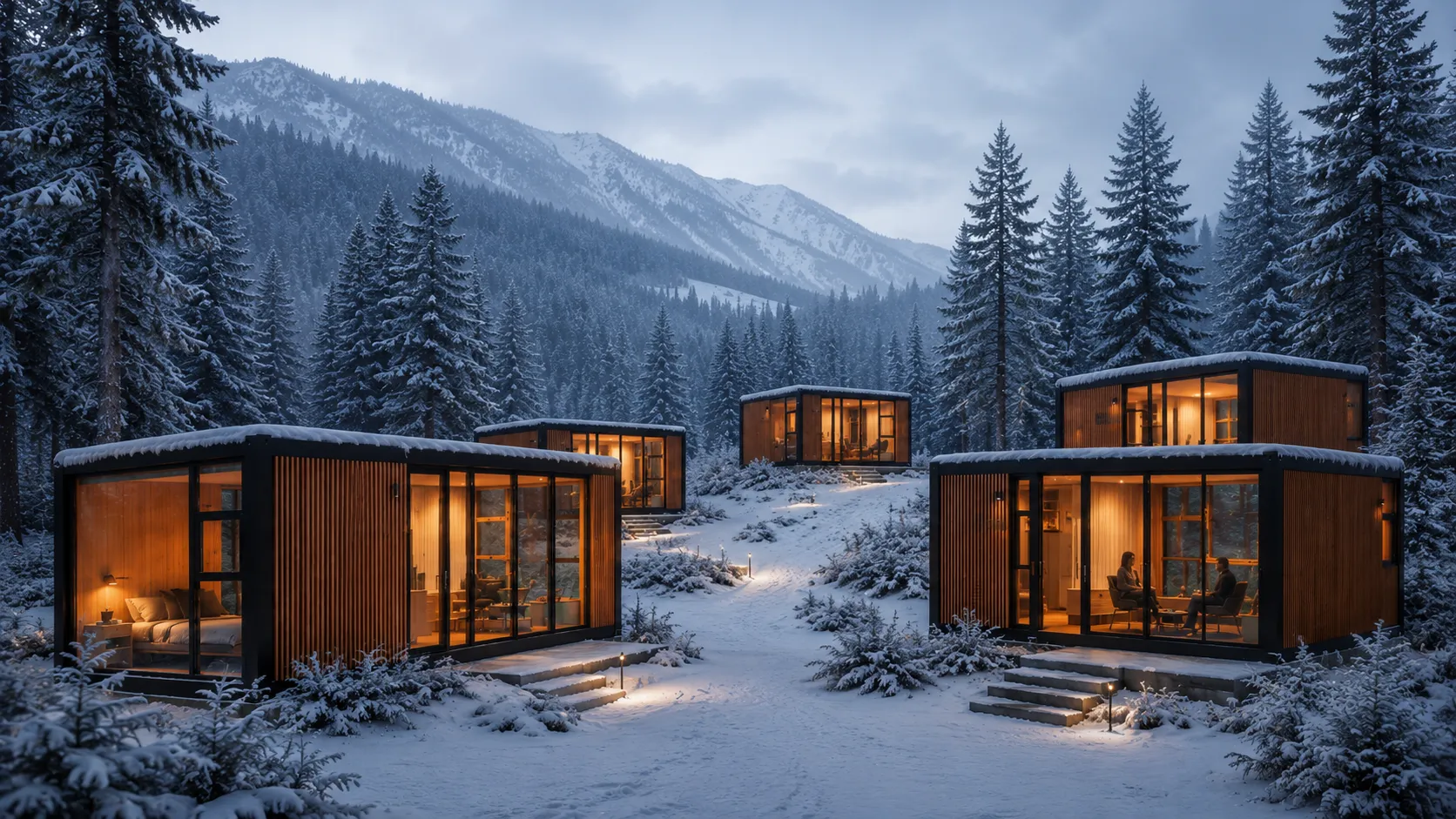
In cold and plateau regions, steel structure worker housing must handle very low temperatures, high winds, and large temperature differences between day and night. This means more insulation, stronger structural nodes, and higher performance doors and windows, all of which influence steel structure house price.
CDPH has developed cold-resistant box houses and climate‑ready dormitory container houses specifically for environments down to around –50°C. In these projects, additional cost factors include:
Thickened wall and roof insulation systems.
Optimized steel profiles and anti‑condensation details to protect interior comfort.
Higher‑grade heating systems and sometimes double‑glazed window sets.
While these elements increase the steel structure house price compared with standard temperate climate camps, they reduce long‑term energy consumption and maintenance, improving total cost of ownership for the project.
Inner link suggestion: learn more about climate‑ready container houses for worker dormitories here: https://www.cdph.net/blog/climate-ready-dormitory-container-houses-for-global-engineering-camps
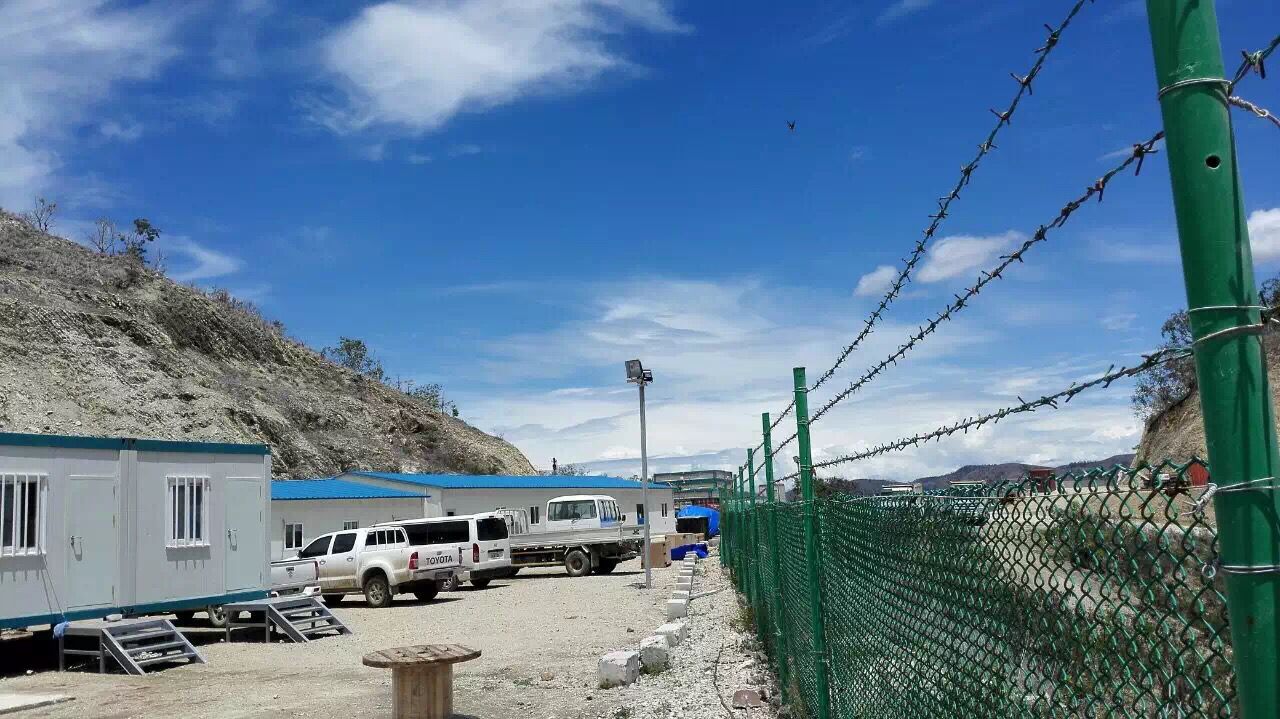
Desert and Gobi projects—such as pipeline, solar, or mining camps—face sandstorms, high UV exposure, and large day‑night temperature swings. Steel structure house price in these areas reflects:
Enhanced anti‑corrosion coatings on steel components.
Roof and wall systems that control solar gain but keep interior temperatures stable.
Dust‑proof details around doors, windows, and ventilation openings.
Along coastal sites, steel structure villas and dormitories must resist salt spray and humid air while remaining low‑maintenance and visually appealing. CDPH’s coastal light steel structure villa solutions add:
Specific anti‑corrosion material packages and paint systems.
Detailing that helps resist strong coastal winds and driving rain.
Exterior finishes compatible with resort or long‑stay worker housing.
These climate‑specific packages add some cost on top of base steel structure house price, but they protect structural safety and reduce repair budgets over the life of the camp.
Inner link suggestion: explore CDPH light steel villas used in coastal and resort projects on the product page:
https://www.cdph.net/product-center/light-steel-villa
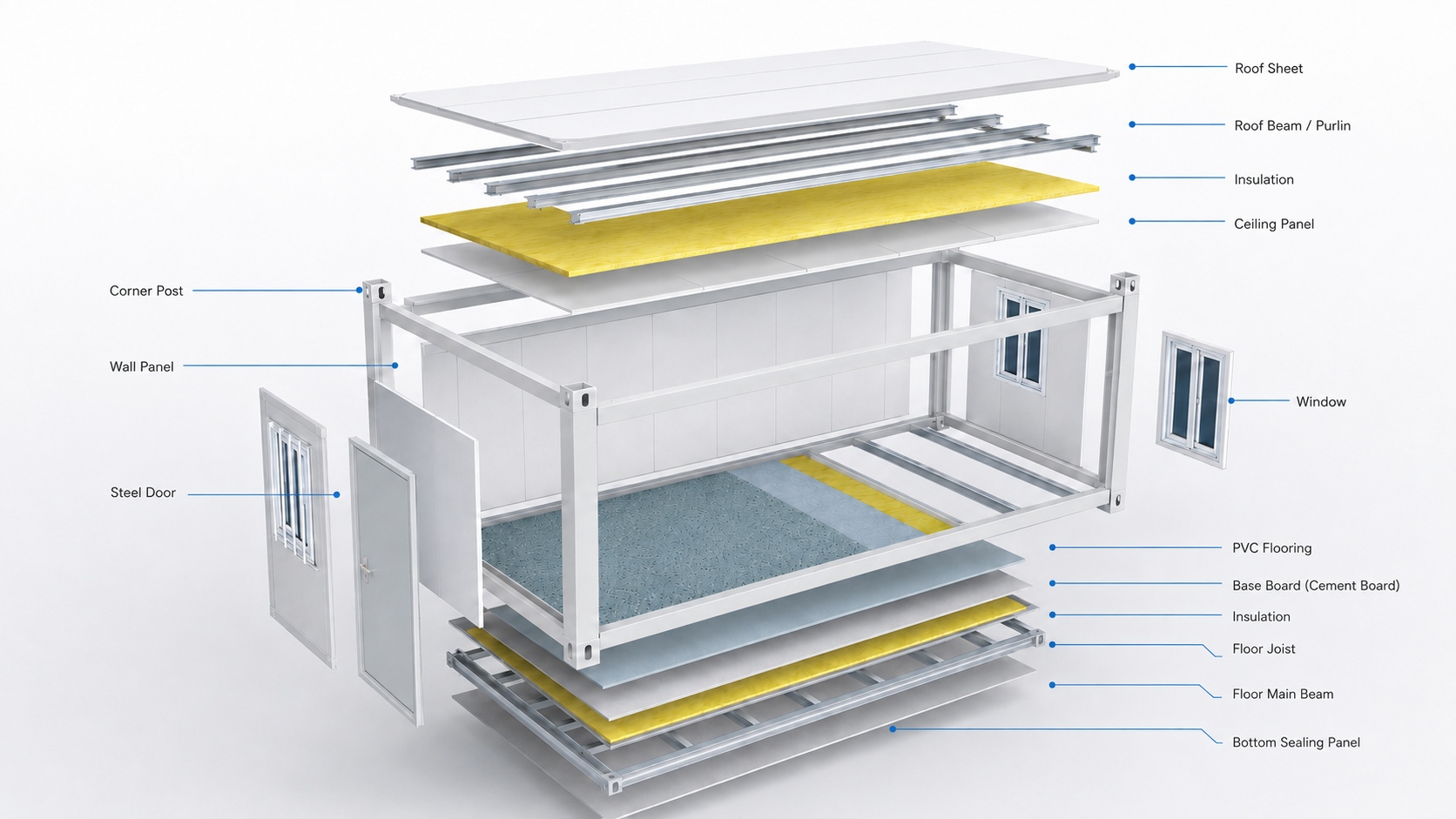
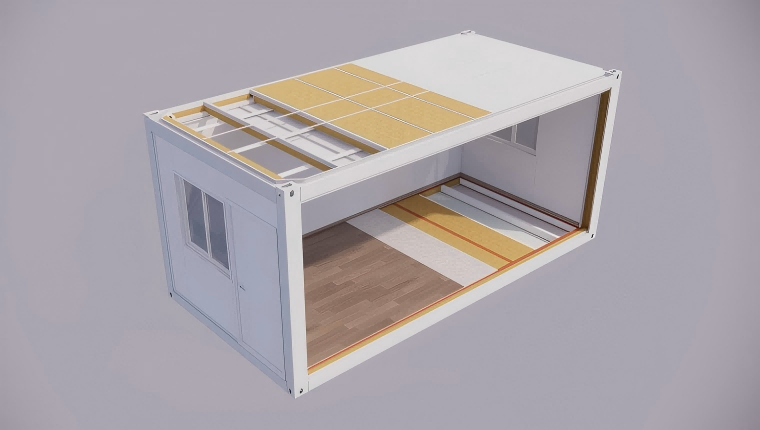
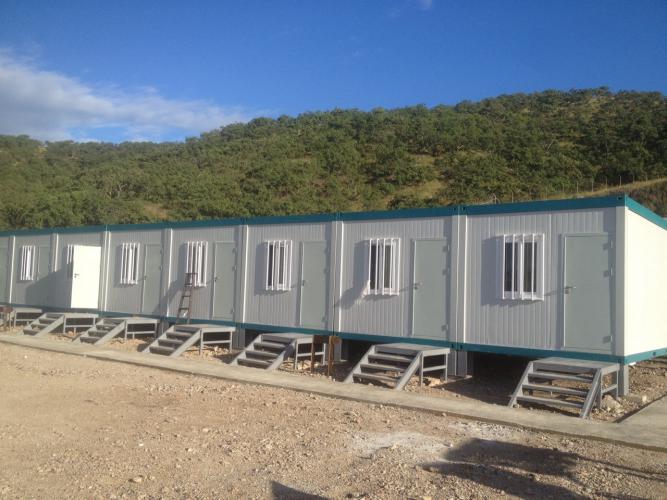
For many global engineering camps, dormitory container houses are the core product for worker accommodation. These units are based on standardized steel‑framed box modules manufactured in China and assembled on site, which makes pricing more predictable.
Typical cost drivers for container‑based worker housing include:
Number of beds per unit and space standard per person.
Internal fit‑out level (basic, comfort, or high‑end).
Added functions such as private bathrooms, lockers, and HVAC.
CDPH’s case portfolio shows how modular box cabins can be configured as dormitories, offices, and canteens in a courtyard layout that feels like a semi‑permanent community rather than a temporary site. For example, the “Box Cabin Imitation Courtyard Project” uses multiple box house units around an open central yard, creating both worker accommodation and leisure space; the layout and decoration style are customized according to the client’s needs, with all modules based on standard steel box structures.
Because the modules are factory‑made, the basic structural and envelope costs can be standardized, and only the interior specification and external arrangement vary, helping investors understand steel structure house price per module and per bed.
Case inner link (add directly in article):https://www.cdph.net/case-center/167

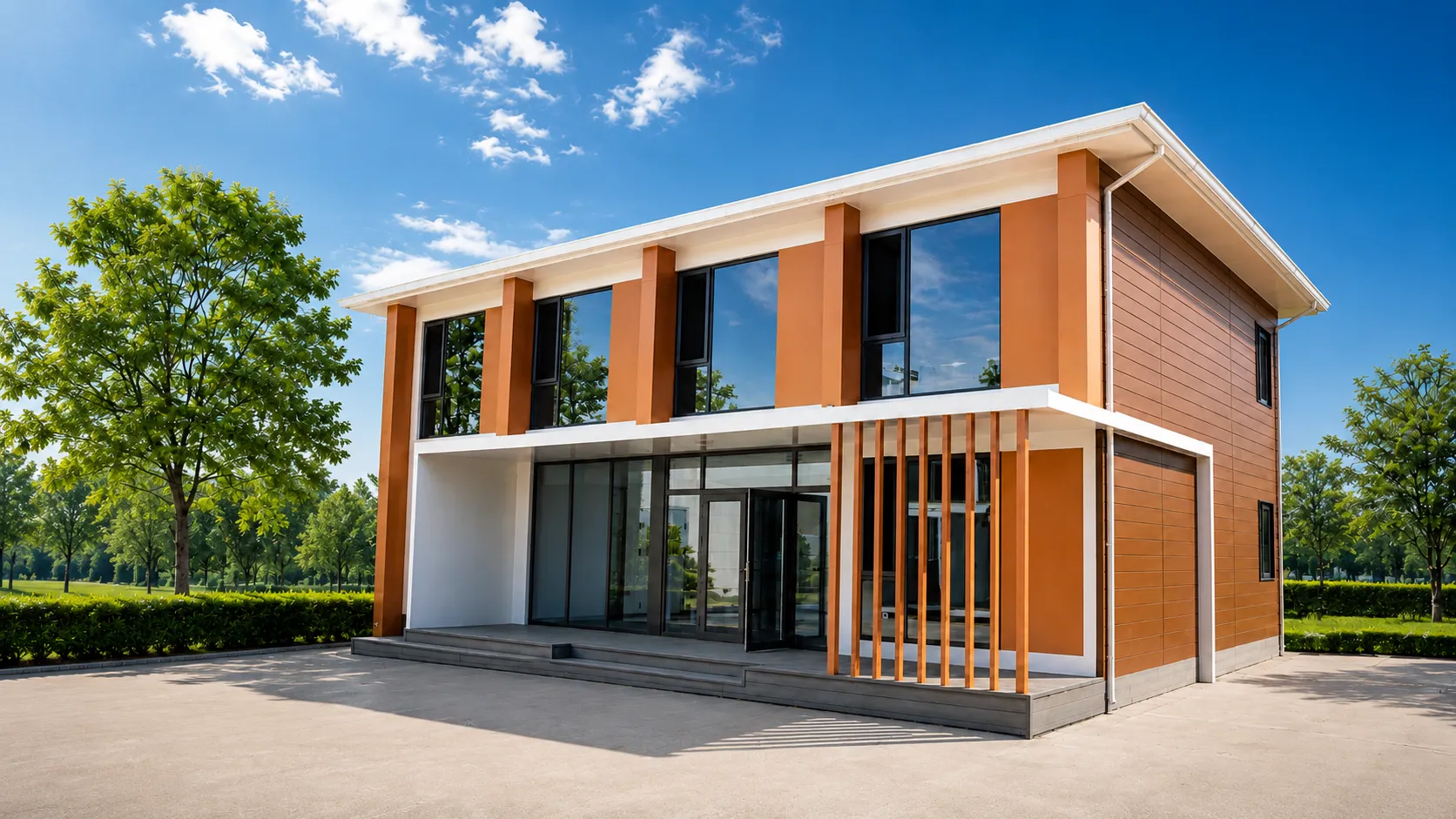
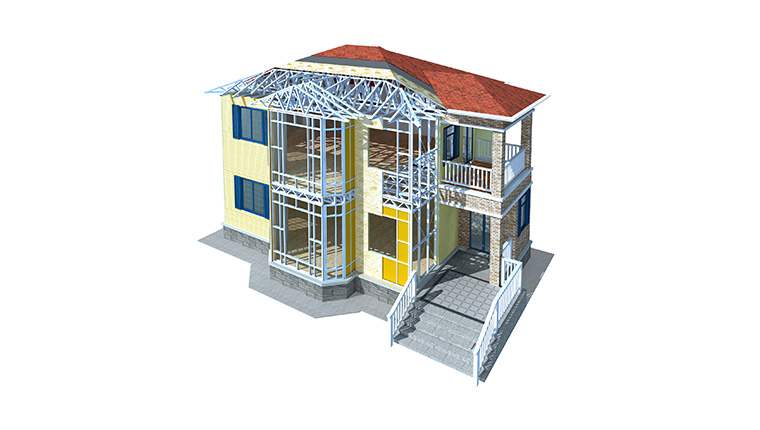
In higher‑tier camps—such as LNG plants, large mining operations, or long‑term construction bases—light steel structure villas are often used for management staff, engineers, or long‑stay employees. These buildings deliver semi‑permanent, high‑comfort living while still benefiting from modular construction speed.
Steel structure house price for light steel villas depends on:
Building size and number of floors.
Architectural style, façade material, and interior finishes.
Additional amenities such as verandas, balconies, and integrated furniture.
CDPH’s customized light steel structure villa solutions emphasize EPC‑ready camp housing: villas are engineered to integrate with container dormitories and prefab service buildings, forming a complete camp ecosystem. For investors, this means that steel structure house price can be modeled across different accommodation tiers, from standard dorms to premium villas, all within one supplier’s system.
Inner link suggestion: product page to add in text:
https://www.cdph.net/product-center/light-steel-villa
While exact steel structure house price depends on project details, industry benchmarks and CDPH’s cost guidance provide useful ranges for budgeting. For light steel frame houses with full interior and exterior decoration, price often falls around:
Approximately 680–1,100 Chinese yuan per square meter for comprehensive, fully finished installations.
A typical 100 m² light steel house may cost roughly 68,000–100,000 yuan depending on finish level.
For modular housing including transport, crane placement, and interior finishing, CDPH’s comprehensive pricing can reach about 1,100–2,200 yuan per square meter, representing around 10–25% savings compared with comparable traditional construction. For larger EPC camps, this cost advantage becomes significant, especially when schedule and workforce productivity are critical.
Chengdong’s steel structure house price breakdown for modular industrial projects highlights that:
Turnkey steel structure housing can be quoted from roughly $15 up to around $320 per square foot depending on specification, climate, and EPC scope.
Optimized modular design and industrialized production typically cut construction time by over 50% and improve project ROI by about 15% compared with conventional building delivery.
These figures help EPC contractors and owners estimate camp budgets, but final quotes are always customized to match the exact climate, worker density, product mix, and project timeline.
Steel structure house price becomes truly predictable when the camp supplier can provide integrated EPC services—engineering design, procurement, prefabrication, logistics, and on‑site installation under one coordinated framework.
CDPH positions itself as a leading modular camp solutions provider, integrating:
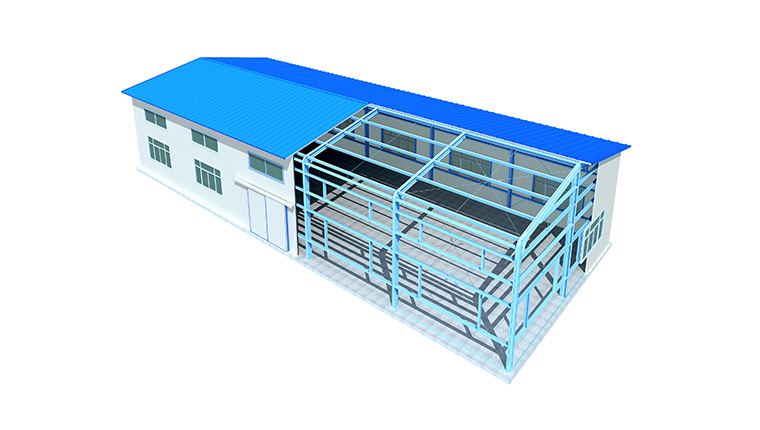
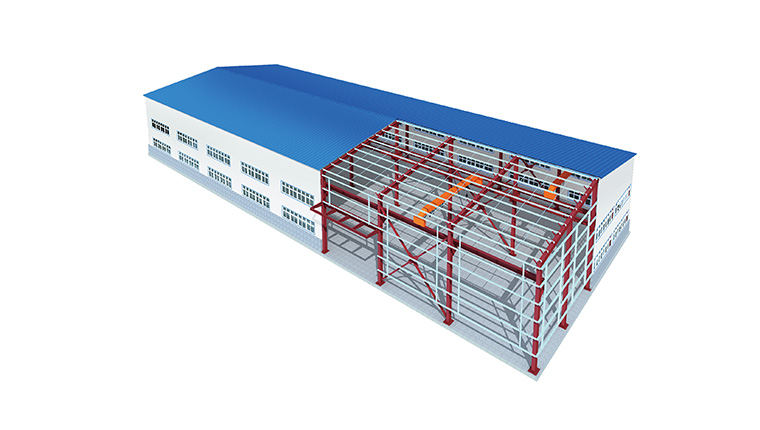
Steel structure design for H‑type and light steel systems.
Container houses, prefab houses, and light steel villas into complete camp layouts.
Logistic planning from Chinese factories to overseas sites and structured installation guidance.
This EPC capability allows camp owners to buy not only buildings but a full solution: master plan, modular product portfolio, schedule, and cost framework that fits their project’s lifecycle and workforce size. As a result, steel structure house price is no longer an isolated unit rate but a component of an optimized camp cost model.
A key reason CDPH can deliver reliable steel structure house prices and on‑time camp handover is its domestic manufacturing network. CDPH operates three main factories in China dedicated to integrated housing and modular construction:
CDPH Integrated Housing Hebei Co., Ltd., located in the Tianjin/Tangshan area, focusing on container houses and integrated housing systems.
CDPH Xinjiang Modular Housing Manufacturing Co., Ltd., serving western China and overseas projects with modular and box house production.
CDPH Sichuan Prefabricated Construction Technology Co., Ltd., supporting southwestern projects and wider international shipments of prefab products.
These three factories combine standardized production lines with flexible customization, enabling CDPH to handle small pilot camps and large multi‑phase EPC camp projects with the same level of quality and schedule control. For overseas clients, this manufacturing capacity translates into:
Faster lead times and better predictability in steel structure house price quotes.
Economies of scale when multiple camp phases or expansions are planned.
Inner link suggestion: main product center link to insert in body text:
https://www.cdph.net/product-center
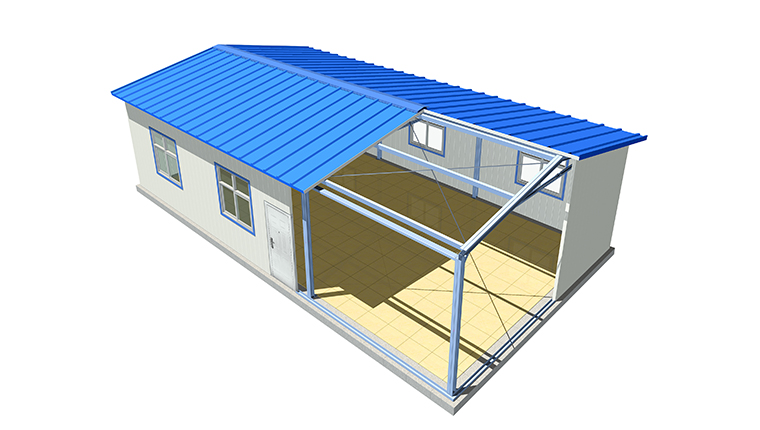
For modular worker housing, container houses serve as the backbone for dormitories, offices, clinics, and canteens. Prefab houses, built with cold‑formed hot‑dip galvanized steel frames and panel systems, complement these box units with larger open spaces and utility buildings.
CDPH’s container and prefab product centers provide:
Standard module sizes for rapid layout planning.
Optional insulation and façade upgrades for different climates.
Matching door, window, and interior packages to ensure consistent worker experience.
The resulting steel structure house price incorporates both structural elements and interior fit‑out, helping owners compare basic and upgraded comfort levels for the same building type.
Inner link suggestion for prefab houses:
https://www.cdph.net/product-center/prefab-house
As camp standards rise, more clients add light steel structure villas into their worker housing portfolio, especially for management and long‑stay technical personnel. CDPH’s light steel villa solutions are designed to coexist with container dormitories and prefab functional buildings, creating a hierarchical and comfortable camp layout.
Steel structure house price for these villas can be optimized through:
Modular design of wall and roof systems that reuse proven CDPH details.
Shared structural components across different villa models.
Coordinated logistics from the three factories to minimize shipping and assembly costs.
For project owners, this means that upgrading part of the camp from standard dorms to light steel villas is a controlled cost decision rather than an unknown budget risk.
To get an accurate steel structure house price for modular worker housing, project owners and EPC contractors should clarify several points before contacting CDPH:
Climate zone and environmental challenges at the project location.
Total camp population and accommodation tier structure (standard workers vs. management staff).
Required mix of container houses, prefab houses, and light steel villas.
Expected project timeline and whether EPC delivery is required.
With these parameters, CDPH’s engineering and commercial teams can model a camp solution and provide a steel structure house price that includes design, production, transport, and installation guidance, all aligned with your budget and project schedule.
Choosing a steel structure supplier for modular worker housing is not only about the lowest unit price; it is about long‑term reliability, safety, and comfortable living conditions that support stable workforce productivity. CDPH stands out through:
Proven modular camp experience across container houses, prefab houses, and light steel villas.
Three domestic factories ensuring stable supply and scalable capacity.
EPC‑oriented project approach that integrates design, procurement, production, and onsite guidance.
In addition, case studies such as the Box Cabin Imitation Courtyard Project demonstrate how CDPH can turn standardized steel modules into comfortable semi‑permanent communities, enhancing both worker satisfaction and asset value for owners.
Scan the QR code to follow