Tel / Whatsapp:+86 18001125785

Email:chengdong@cdph.com.cn

INQUIRY→

Home/

News/

Blog/

Advantages of Modular Construction: The Complete Guide/

Advantages of Modular Construction: The Complete Guide

Blog

Release date:Mar 16, 2026

Share:

Modular construction is rapidly reshaping the global building industry, delivering faster timelines, lower costs, and superior flexibility compared to traditional on-site construction methods. Whether you're planning an engineering camp, a commercial complex, or emergency housing, understanding the full range of advantages modular construction offers is essential for making informed project decisions.


What Is Modular Construction?

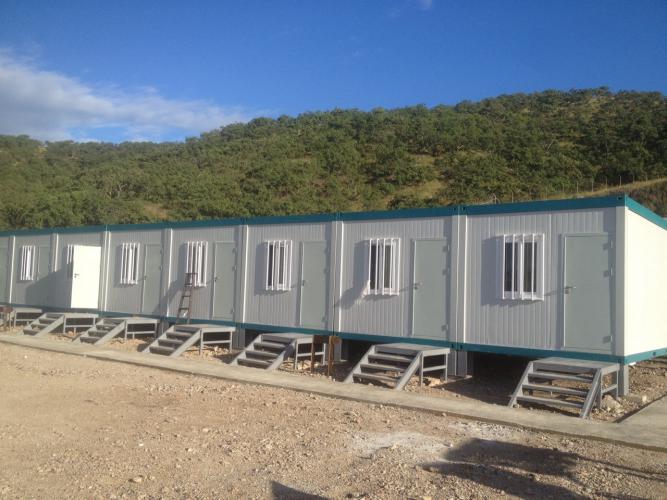
Modular construction is a building method in which structures are manufactured in standardized sections — called "modules" — at an off-site factory before being transported and assembled at the final location. Each module is a fully or partially finished unit, complete with walls, flooring, ceilings, electrical wiring, and plumbing, ready to be connected on-site.

Unlike traditional construction, which builds everything from the ground up at the project location, modular construction separates manufacturing from installation. This parallel-process approach is the foundation of nearly every advantage the method delivers.

Chengdong International Modular Housing Corporation, founded in 1998, is one of China's leading pioneers in this space, having successfully delivered over 4,000 modular camp projects across more than 100 countries.


Top Advantages of Modular Construction

Dramatically Faster Build Times

One of the most compelling advantages of modular construction is speed. Because modules are manufactured in a factory while site preparation work — such as foundation laying and utility connection — happens simultaneously, overall project timelines can be reduced by 30% to 50% compared to conventional builds.

This parallel workflow eliminates the weather delays, labor coordination bottlenecks, and sequential scheduling that routinely stretch traditional construction timelines. In urgent scenarios, such as the Astana Light Railway project, modular construction enabled the rapid deployment of a camp for 3,000 workers even under harsh winter conditions. The Chengdong team completed a 10,000-person camp at the Zhiliatangote Refinery in just 120 days, earning high praise for both quality and speed.


Significant Cost Savings

Modular construction consistently delivers cost reductions across the project lifecycle. Factory-controlled production reduces material waste, lowers labor costs through specialization and automation, and minimizes expensive on-site rework. When modules are designed with standardized dimensions, mass production becomes feasible, further driving down per-unit cost.

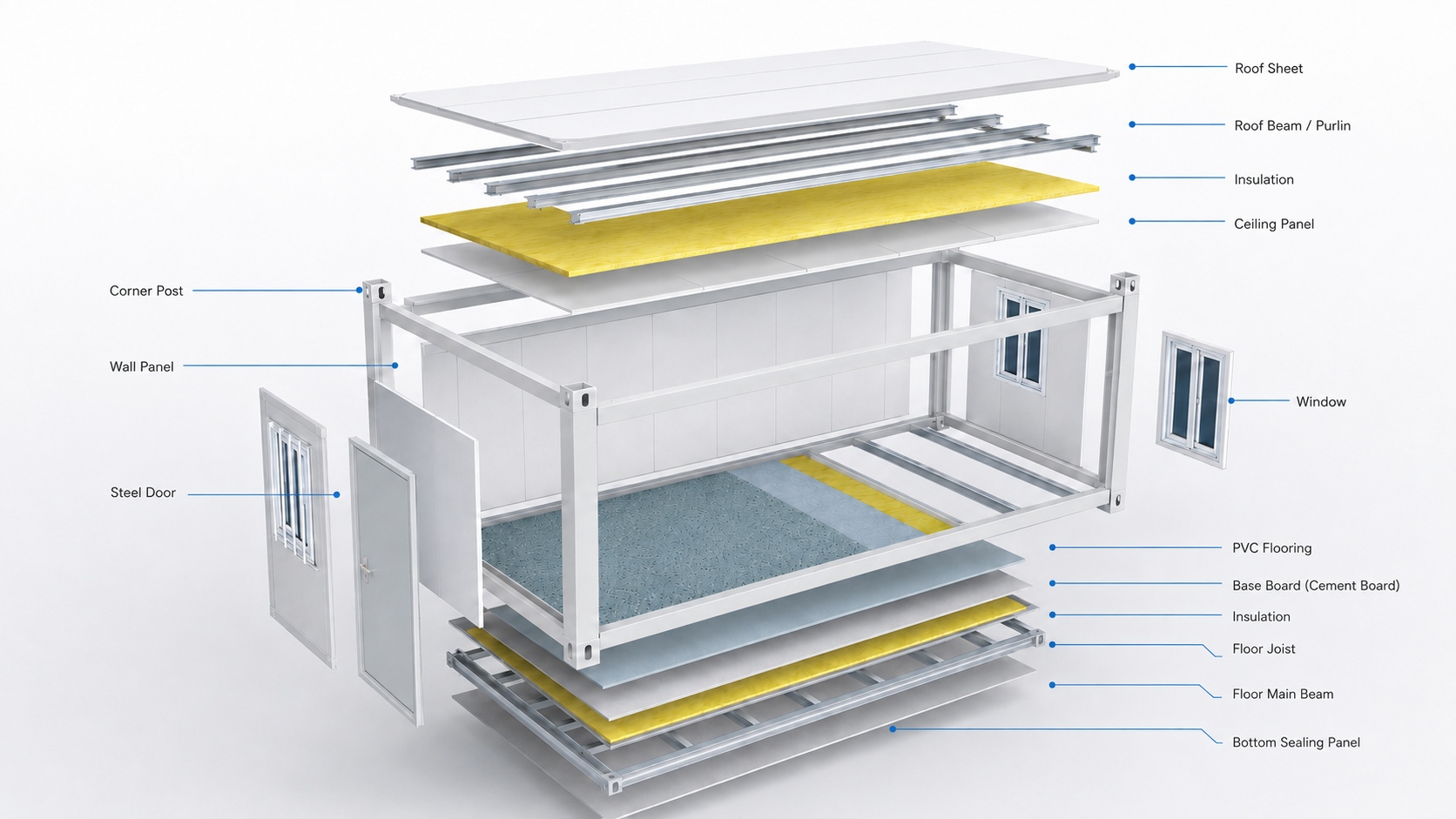
Transportation is also optimized: modular components such as container houses can be disassembled into compact packages — roof, floor, columns, and panels — and shipped efficiently via ocean freight, saving significant logistics expense for international projects. Reusability is another financial advantage; high-quality modular units can be relocated, reconfigured, and reused across multiple project cycles, reducing total lifecycle costs.

Cost FactorTraditional ConstructionModular Construction
Labor costsHigh (on-site skilled trades)Lower (factory automation)
Material waste10–15% typical wasteReduced via controlled production
Project timelineSequential, weather-dependentParallel, factory-controlled
ReusabilityMinimalHigh (multiple project cycles)
Transport logisticsN/ACompact packaging for ocean freight

Superior Quality Control

Factory manufacturing means every module is built under consistent, supervised conditions using calibrated equipment and strict quality protocols. Inspections occur at every stage of the production process, eliminating the variability inherent in outdoor, on-site construction where weather, subcontractor quality, and material handling are difficult to control.

Chengdong's ZA type house, for example, has undergone five major technological innovations and countless node improvements, and is built with hot-dip galvanized cold-formed steel for superior corrosion resistance. Structures are engineered to withstand Category 11 winds under standard conditions and up to Category 17 hurricanes after special structural treatment — a quality benchmark that would be difficult to achieve consistently with site-built methods.


Flexibility and Scalability

Modular buildings are inherently flexible. Individual modules can be combined horizontally, stacked vertically (up to three or more stories), and reconfigured as project needs change. This scalability makes modular construction ideal for projects that evolve over time — from a starter camp of 50 workers to a full-scale facility housing thousands.

The standardized modular system allows a single layout to serve multiple functions: dormitories, offices, dining halls, medical rooms, meeting spaces, and more, simply by adjusting the internal configuration. In the Algeria Grand Mosque camp project, for example, office, meeting, and bathroom modules were rationally combined within a 5,150 m² facility to meet complex, diversified needs.


Reduced Environmental Impact

Modular construction is fundamentally greener than traditional building. Factory production generates less on-site waste, produces fewer dust and noise emissions, and minimizes soil disruption. In the Pakistan Thar Coal Power Station project, the use of prefabricated, bolt-assembled modular structures eliminated welding on site, reducing noise, dust, and construction waste significantly.

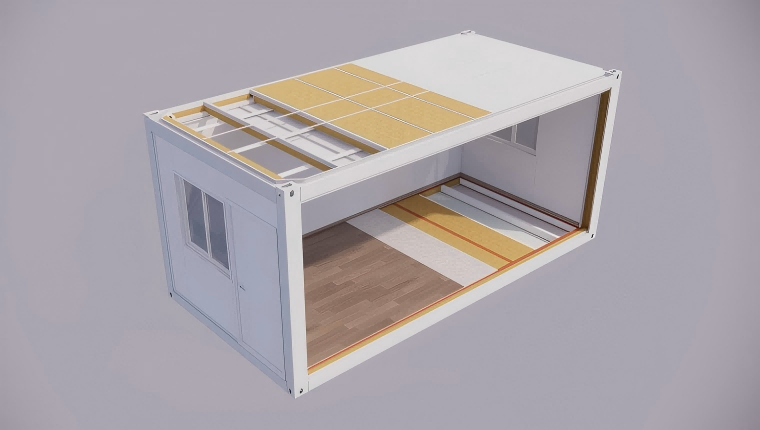
Material efficiency is another environmental win. Precise factory cutting and assembly means raw materials are used more efficiently, contributing to lower embodied carbon in the final structure. The reusability of modules further reduces the demand for new materials across successive projects. Many modular structures also incorporate energy-efficient insulation — Chengdong's container house units use 100mm glass fiber wool insulation on both roofs and floors — to reduce long-term energy consumption.


Minimal On-Site Disruption

Because the bulk of construction happens off-site, modular projects create far less disruption to the surrounding environment and existing operations. This is particularly valuable in urban infill projects, airport expansions, and active industrial facilities where noise, dust, and traffic from a conventional construction site would be unacceptable.

The Kenya Mombasa accommodation project and the Zambia Kenneth Kaunda Airport expansion camp are prime examples of modular construction enabling large-scale infrastructure projects in sensitive, operational environments without impeding ongoing airport and infrastructure activity.


Portability and Relocation

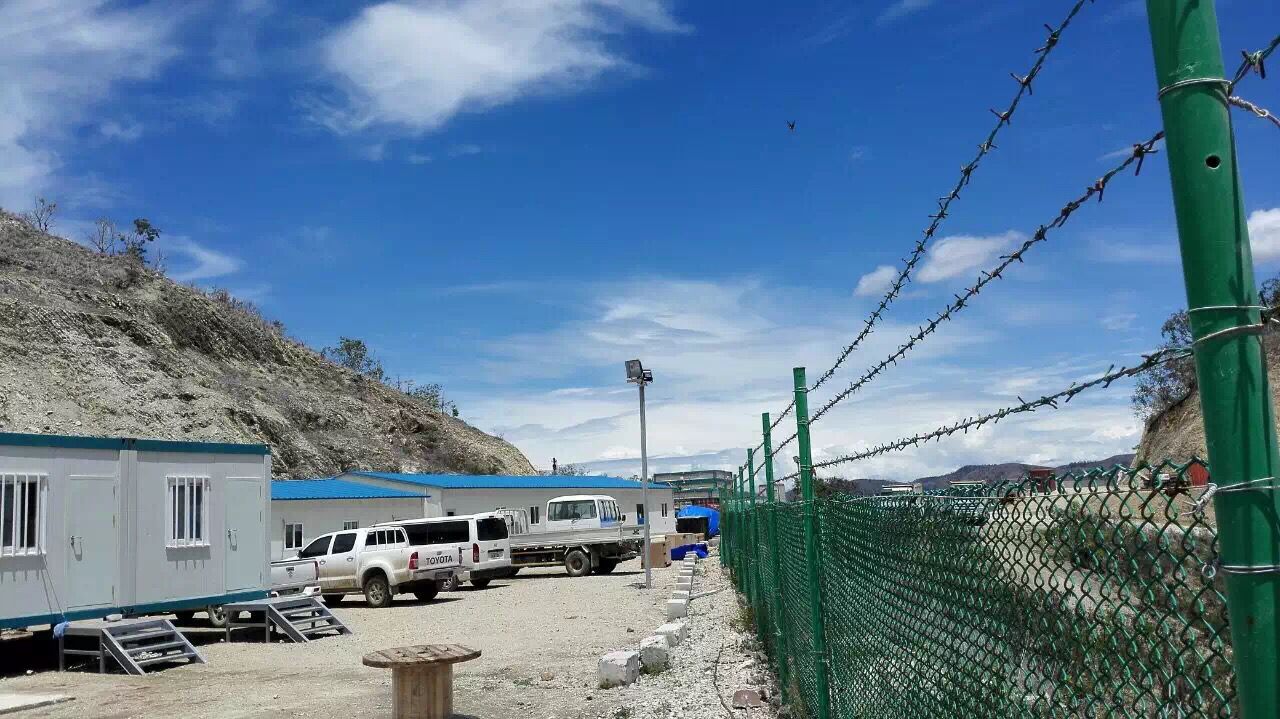
Unlike permanent structures, modular buildings can be dismantled and moved to a new location with minimal cost and disruption. This is a critical advantage for industries like mining, oil and gas, and infrastructure construction, where the worksite shifts as the project progresses.

Chengdong's container house product line is specifically engineered for this: the entire structure can be relocated as a single unit without disassembly, or broken down into flat-pack components for economical shipping. This portability dramatically reduces the cost of redeployment compared to demolishing and rebuilding a traditional structure.


Adaptability to Extreme Environments

Modular buildings can be engineered to perform in virtually any climate or geography. From the sub-zero winters of Kazakhstan to the tropical heat of Sub-Saharan Africa, from high-altitude plateaus to coastal typhoon zones, well-designed modular structures can be customized with appropriate insulation, structural reinforcement, and weatherproofing.

In the Khabarovsk, Russia project, container houses were engineered with special cold-bridge treatments to maintain interior comfort during severe winters. In Nigeria and other high-humidity regions, structural frames made of hot-dip galvanized steel provide long-term corrosion resistance. This adaptability makes modular construction the first choice for global infrastructure, energy, and engineering camp projects. For comprehensive modular solutions tested across these extreme environments, visit cdph.net.


Modular Construction Applications

Modular construction's versatility means it serves a wide range of industries and use cases:

  • Engineering camps: Worker accommodation for mining, oil & gas, highway, and railway projects

  • Emergency and disaster relief: Rapid deployment of housing after natural disasters (e.g., Chengdong's 1,000-unit delivery to Myanmar for displaced residents)

  • Education: Portable classrooms and school expansions, such as the Antilles Primary School in Curaçao

  • Commercial & industrial: Offices, factories, warehouses, restaurants, and retail spaces

  • Healthcare: Medical rooms and clinics in remote or temporary project environments

  • Military: Field barracks and command facilities in international operations


Modular vs. Traditional Construction at a Glance

FeatureTraditional ConstructionModular Construction
Build time12–24+ months30–50% faster
Weather dependencyHighLow (factory-based)
Quality controlVariableConsistent, factory-inspected
Design flexibilityHigh (custom)High (modular combinations)
RelocatabilityNoneFull (portable or flat-pack)
Environmental impactHigh waste & disruptionLow waste, minimal site impact
Suitability for remote sitesChallengingExcellent
ReusabilityNoneMultiple project cycles

Frequently Asked Questions (FAQs)

How long does a modular building last?

High-quality modular buildings have a service life of 25 years or more. Chengdong's light steel villa products, for instance, are designed with a service life exceeding 25 years and require minimal maintenance over that period. Durability depends on the quality of materials, structural design, and local climate conditions.

Is modular construction cheaper than traditional building?

In most cases, yes. Modular construction typically costs 10–20% less than equivalent traditional builds due to factory efficiencies, reduced labor costs, shorter timelines (lowering financing costs), and lower material waste. For remote or international projects, the savings can be even higher when considering transportation optimization and reusability.

Can modular buildings be customized?

Absolutely. Modern modular systems offer extensive customization. Chengdong's product line, for example, allows clients to specify dimensions, insulation type, door and window styles, interior finishes, electrical and plumbing layouts, and even structural reinforcement for specific climate conditions. Personalized design is fully supported alongside standardized mass production.

How many stories can a modular building be?

Modular buildings can typically be stacked up to three stories in standard configurations, with engineered solutions available for taller structures. Chengdong's container house units are rated for stacking up to three layers, while steel structure solutions can accommodate greater heights for industrial and commercial applications.

Are modular buildings safe in extreme weather?

Yes, when properly engineered. Modular structures from reputable manufacturers are tested against wind loads, snow loads, and seismic forces. Chengdong's ZA type house can withstand Category 11 winds as standard, with special structural treatment enabling resistance to Category 17 hurricanes. Projects have been successfully delivered in Russia, Kazakhstan, Nigeria, Pakistan, and other extreme-climate regions.

What is the difference between modular and prefabricated construction?

"Prefabricated" is a broader term referring to any building component made off-site, while "modular" specifically means the entire building is constructed in three-dimensional volumetric units (modules). All modular buildings are prefabricated, but not all prefabricated buildings are modular. Modular construction offers the highest level of factory completion, requiring the least amount of on-site work.

How quickly can a modular camp be deployed?

Deployment speed depends on project scale and logistics, but modular construction consistently delivers far faster results than traditional builds. Large-scale projects — such as a 10,000-person engineering camp — have been completed in as little as 120 days using modular methods. Smaller single-unit or small-camp deployments can often be ready within weeks of order confirmation.


Choosing the Right Modular Construction Partner

The full advantages of modular construction are only realized when you work with an experienced, quality-focused manufacturer and service provider. Key factors to evaluate include:

  • Global project experience across diverse climates and geographies

  • In-house factory production with strict quality control processes

  • Full-service capability from design and production to transport, installation, and after-sales support

  • Proven product range covering all building types (dormitories, offices, industrial spaces, etc.)

  • Reusability and lifecycle support to maximize your investment

With over 25 years of experience, a factory spanning 40,000+ square meters, and a track record of 4,000+ projects in 100+ countries, Chengdong International Modular Housing represents the benchmark in global modular construction solutions. From engineering camps in Africa to airport expansions in the Maldives, Chengdong delivers modular excellence wherever it's needed.


Modular construction is not just a construction trend — it is the future of efficient, sustainable, and globally deployable building. As projects become more complex, timelines tighter, and environmental standards higher, the advantages of modular construction position it as the superior choice for forward-thinking developers, contractors, and infrastructure operators worldwide.


Related articles

whatsapp.png
+86 18001125785
zongubimgfz3.svg
chengdong@cdph.com.cn

Scan the QR code to follow